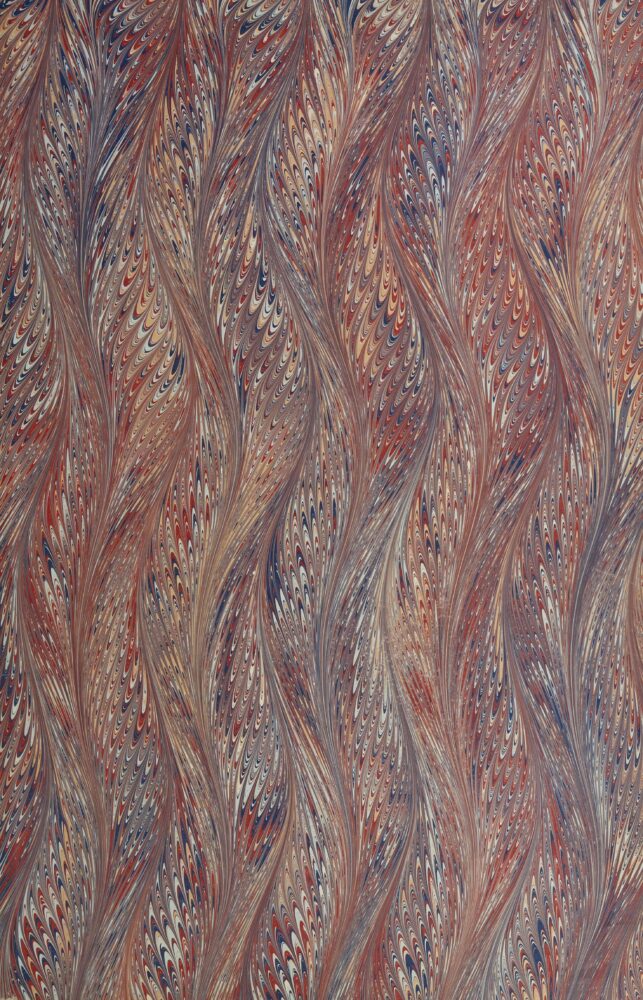
Each private press has its own aesthetic, but there are certain hallmarks of the movement.
To please the literary connoisseur, private press books often feature bookish “extras”— like a limited edition number, a history of the printer’s chosen font, or a list of the printer’s errors (“errata”).
The binding and textual layout may allude to the great printers and artisans of the medieval and early modern periods. This may be achieved through illuminated initials, antique fonts, or the use of vellum or leather.
As private presses can only produce small print runs, plenty of thought will have gone into the choice of text and its potential readership.
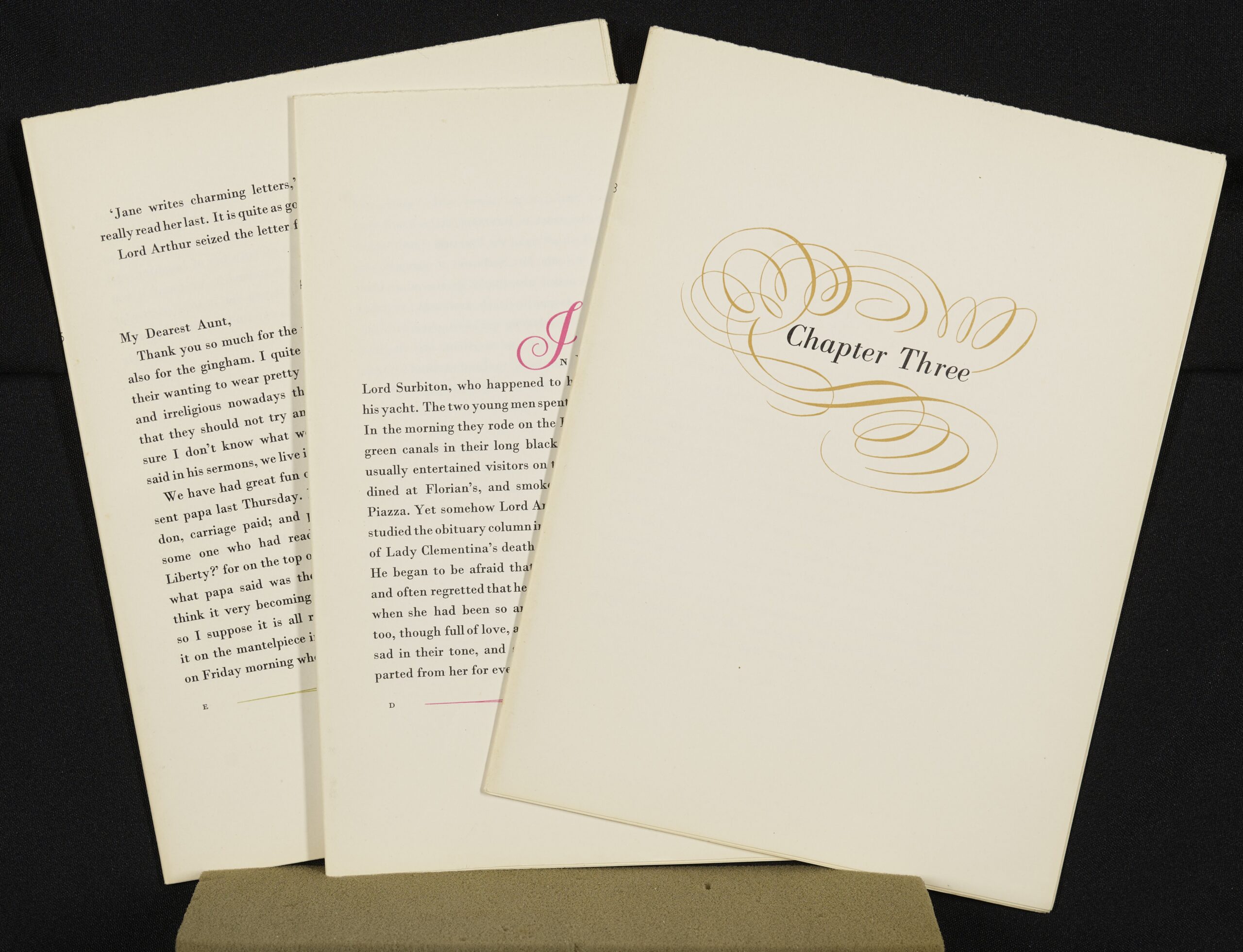
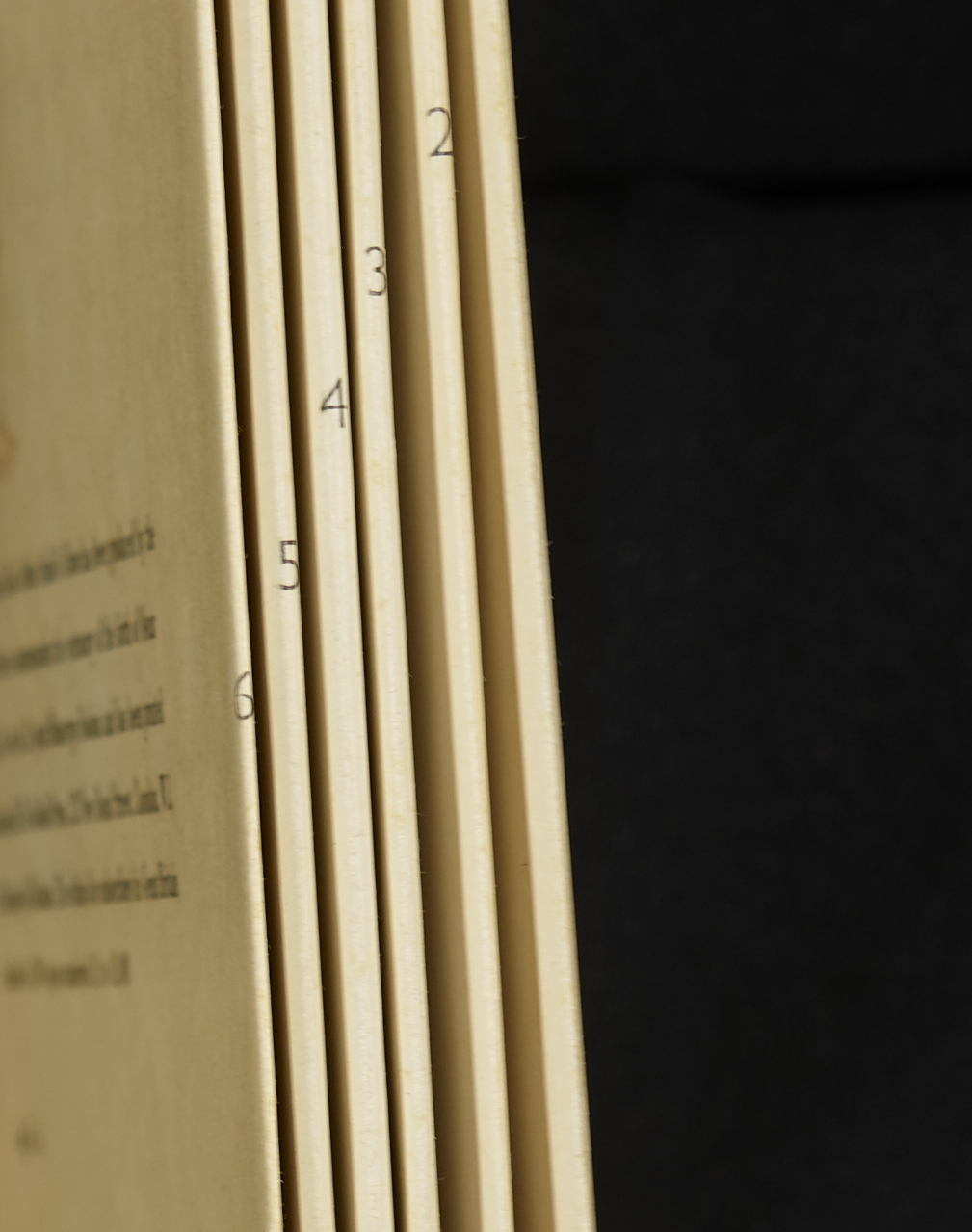
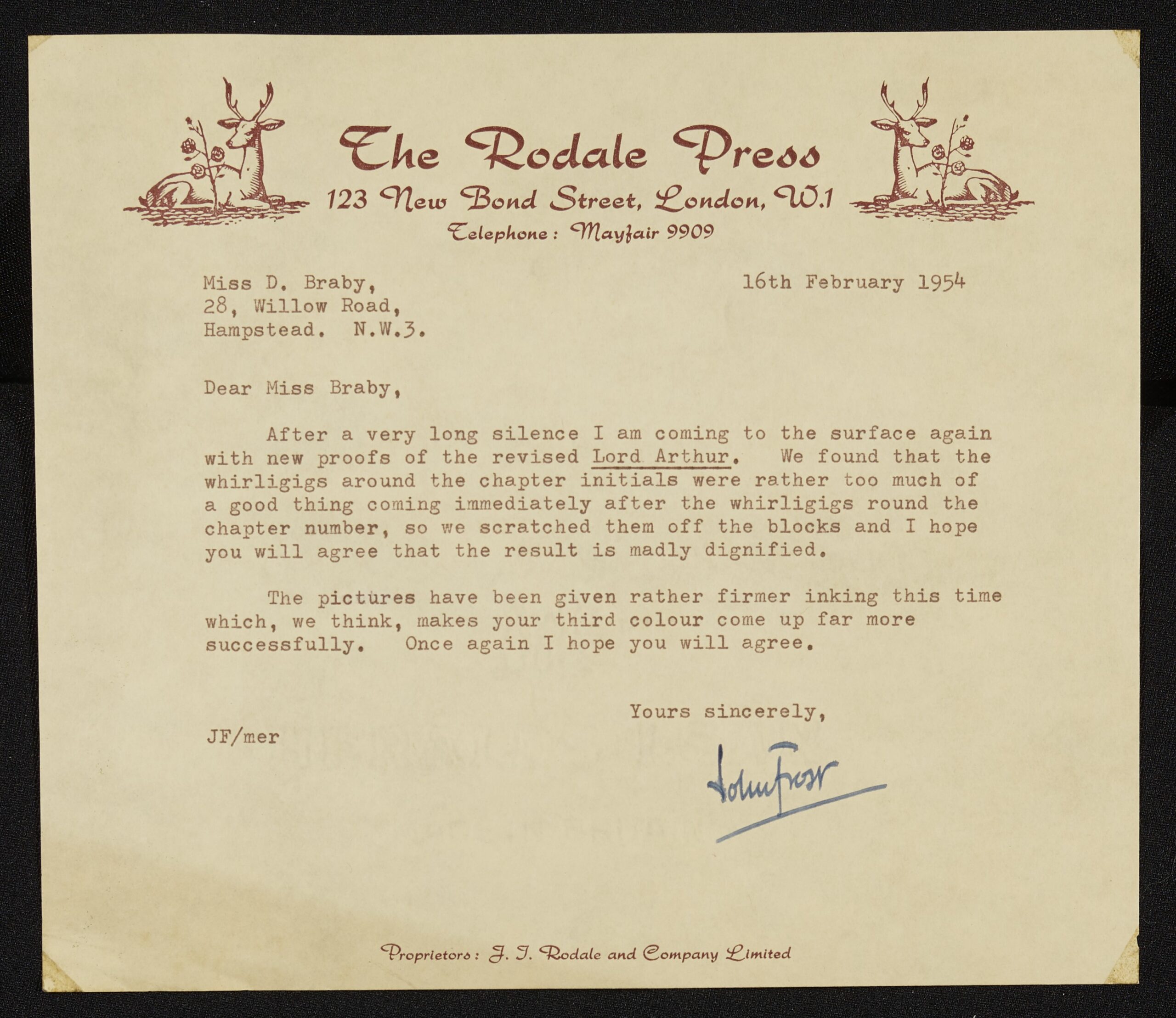
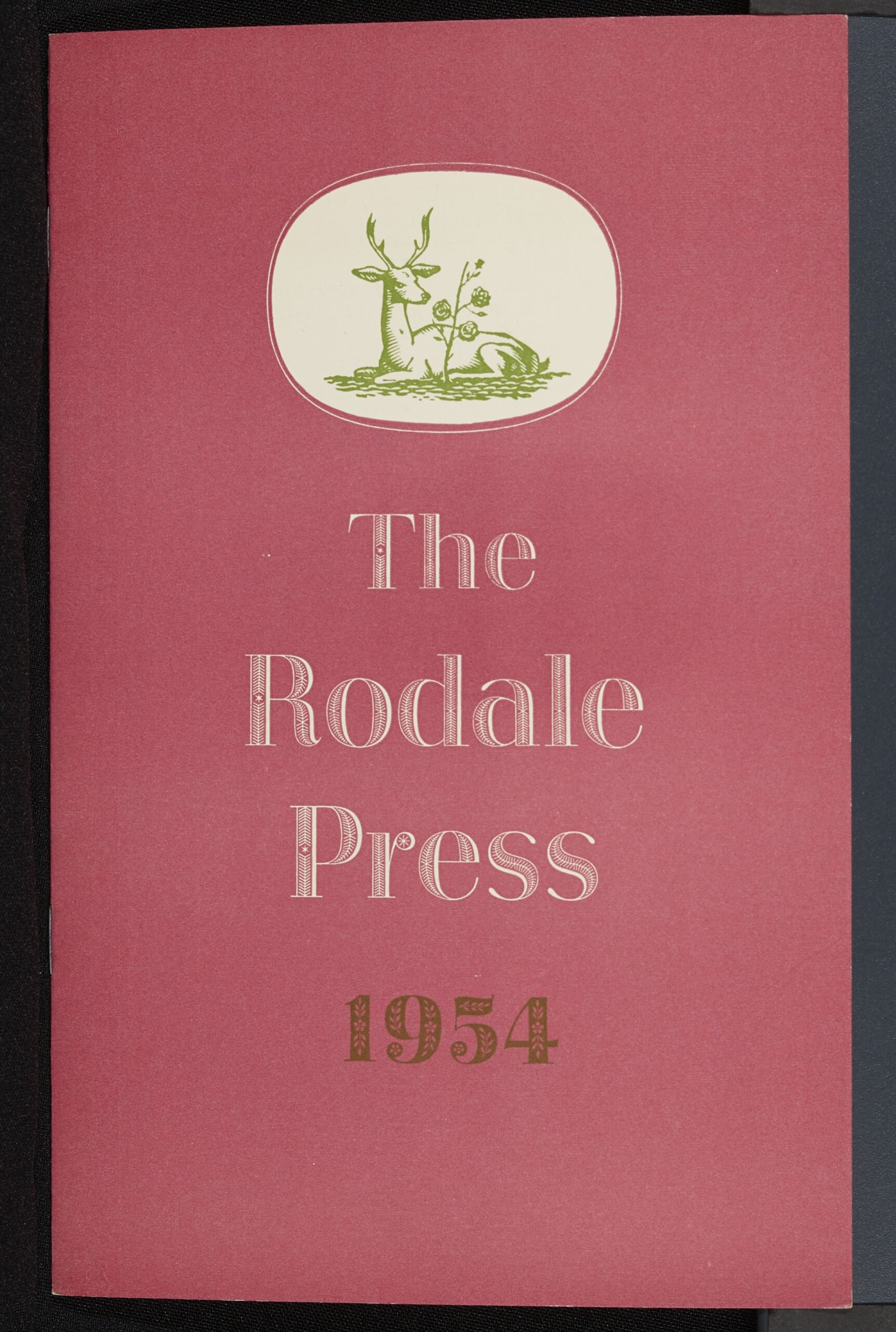
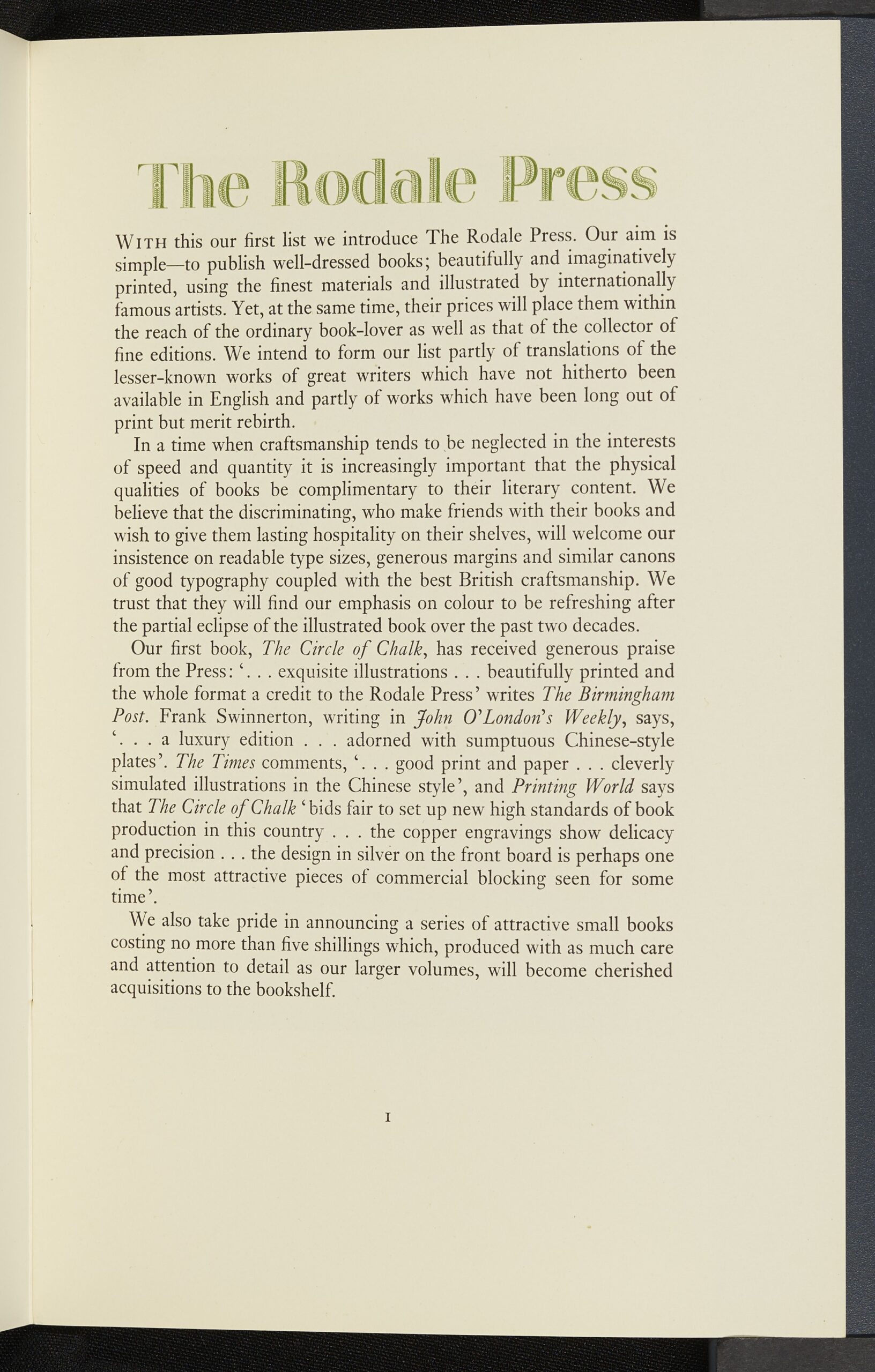
This proof copy of Lord Arthur Savile’s Crime (Rodale Press, 1954) offers an opportunity to delve into the daily workings of a private press. The gatherings are not yet bound, allowing us to see the tiny guide numbers for the binder on the folds. We also have a letter from the printer to the illustrator — celebrating the book’s ‘madly dignified’ design — and a draft catalogue that reads like a manifesto for the private press movement.
Magd.Wilde-O. (LOR) 1954 c.2. Wilde, O. (1954). Lord Arthur Savile’s Crime: A Study in Duty. London: Rodale Press.
Purchased through the generosity of Justin Huscher (Rhodes Scholar 1978-1980) and Hilarie Huscher.

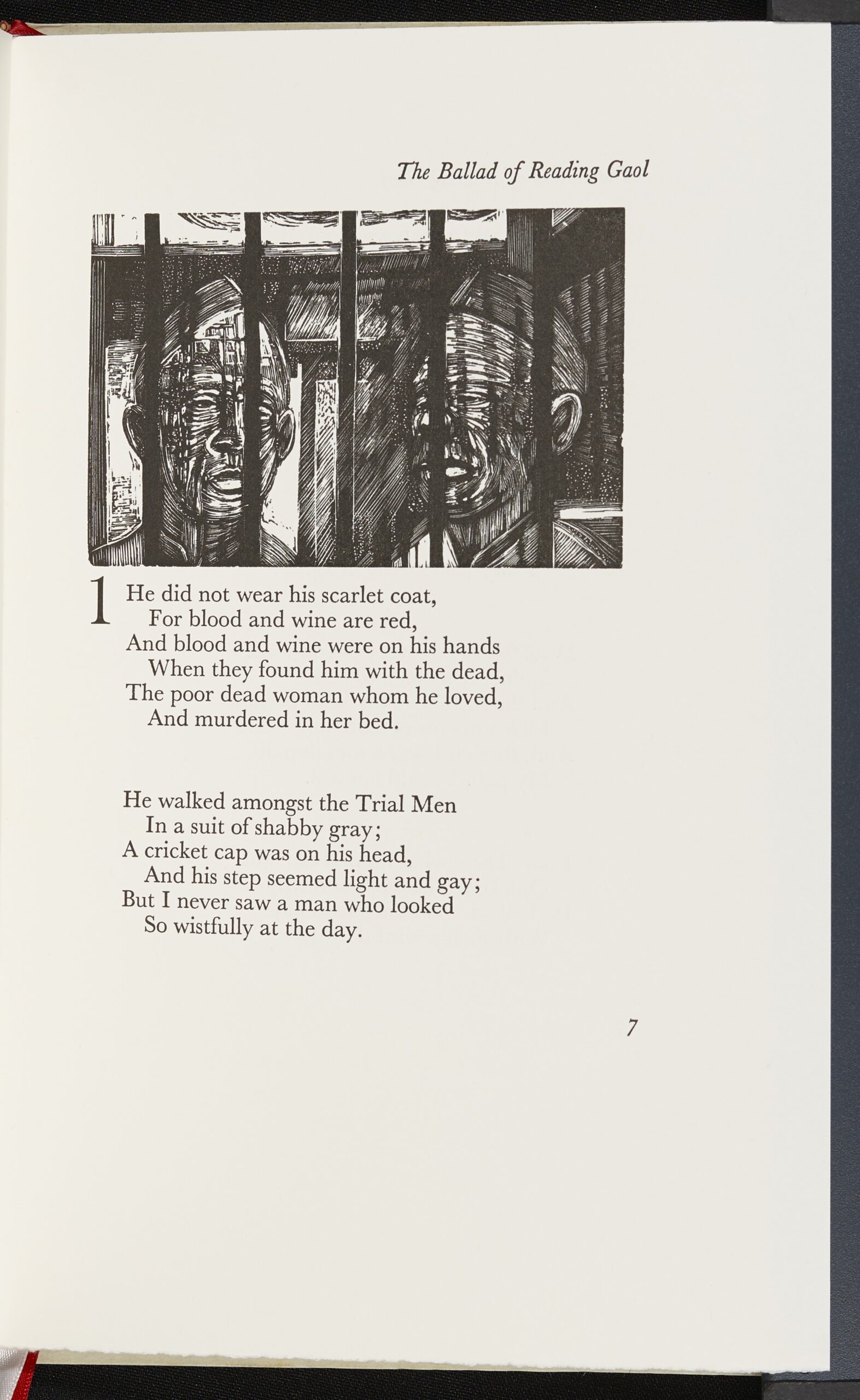
Design and content working together
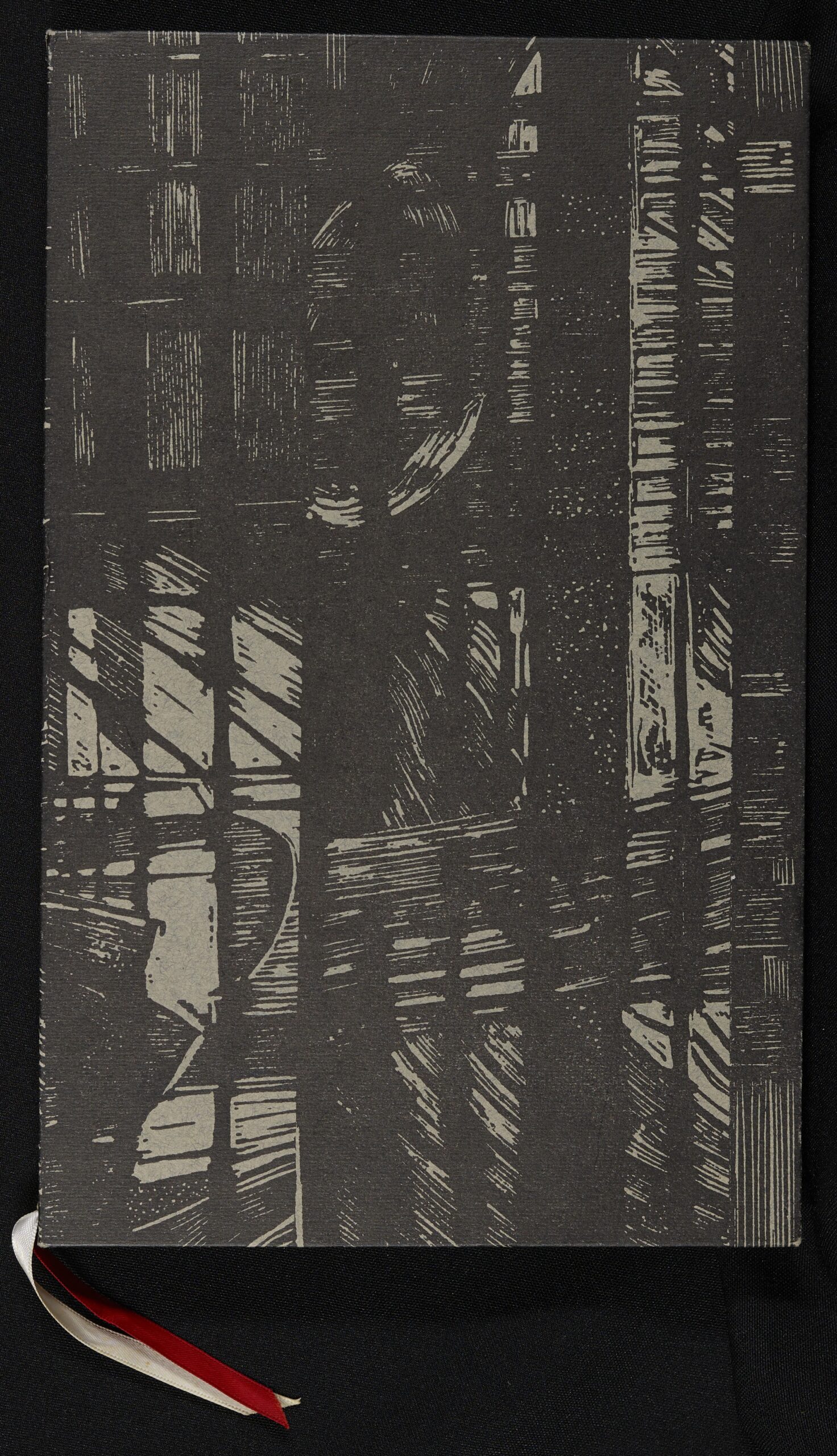
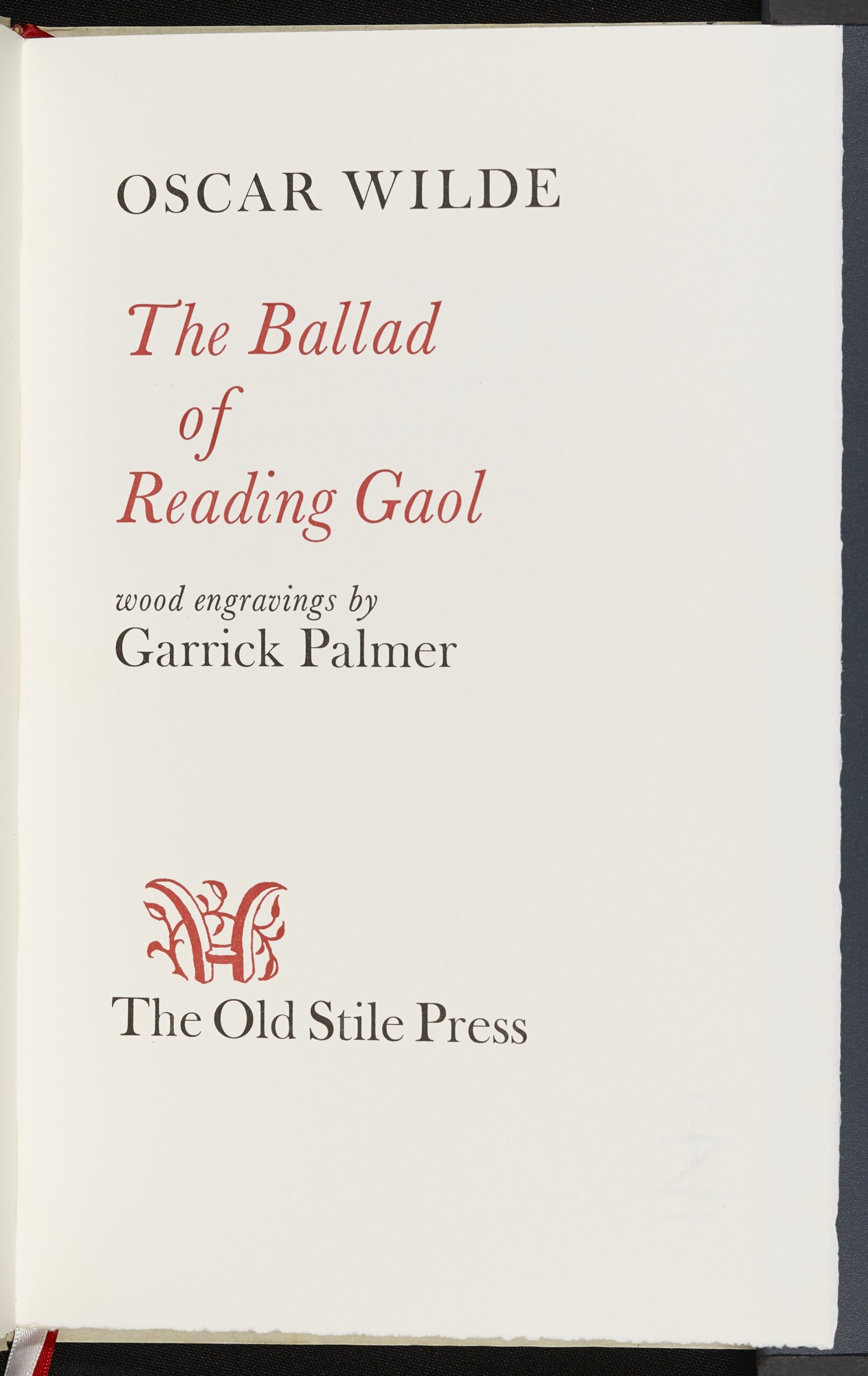
This edition of The Ballad of Reading Gaol is an example of how private printers consciously use design to accentuate the themes of a book. Wilde’s harrowing poetic account of his time in prison comes in a thick, dark, heavy slipcase, printed all over with bar-like motifs. The case is almost like a cell, from which this saddest of Wilde’s works can only be extracted with difficulty. The striking woodcut designs are by Garrick Palmer.
Magd.Wilde-O. (BAL) 1994. Wilde, O. (1994). The Ballad of Reading Gaol. Llandogo: Old Stile Press.
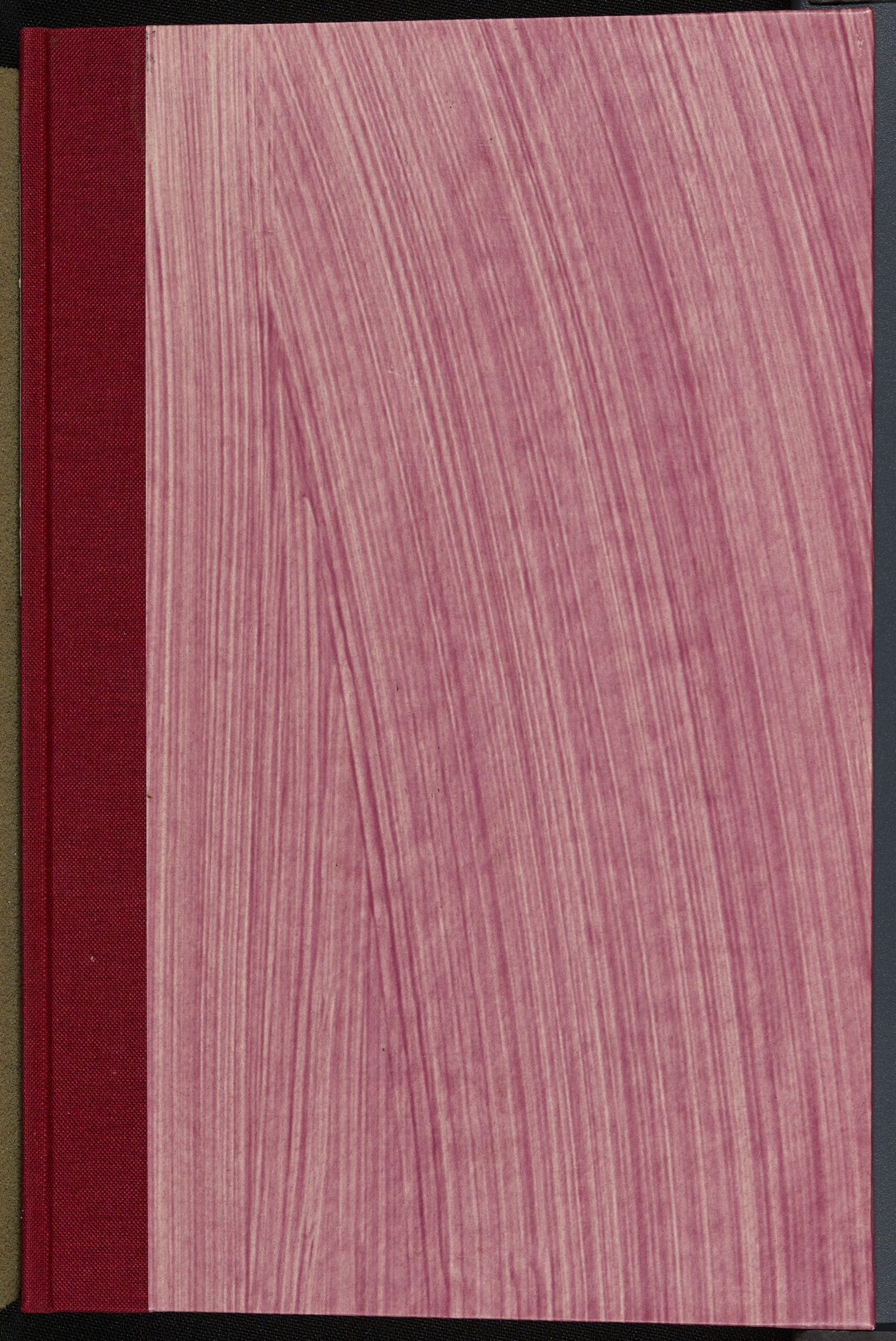
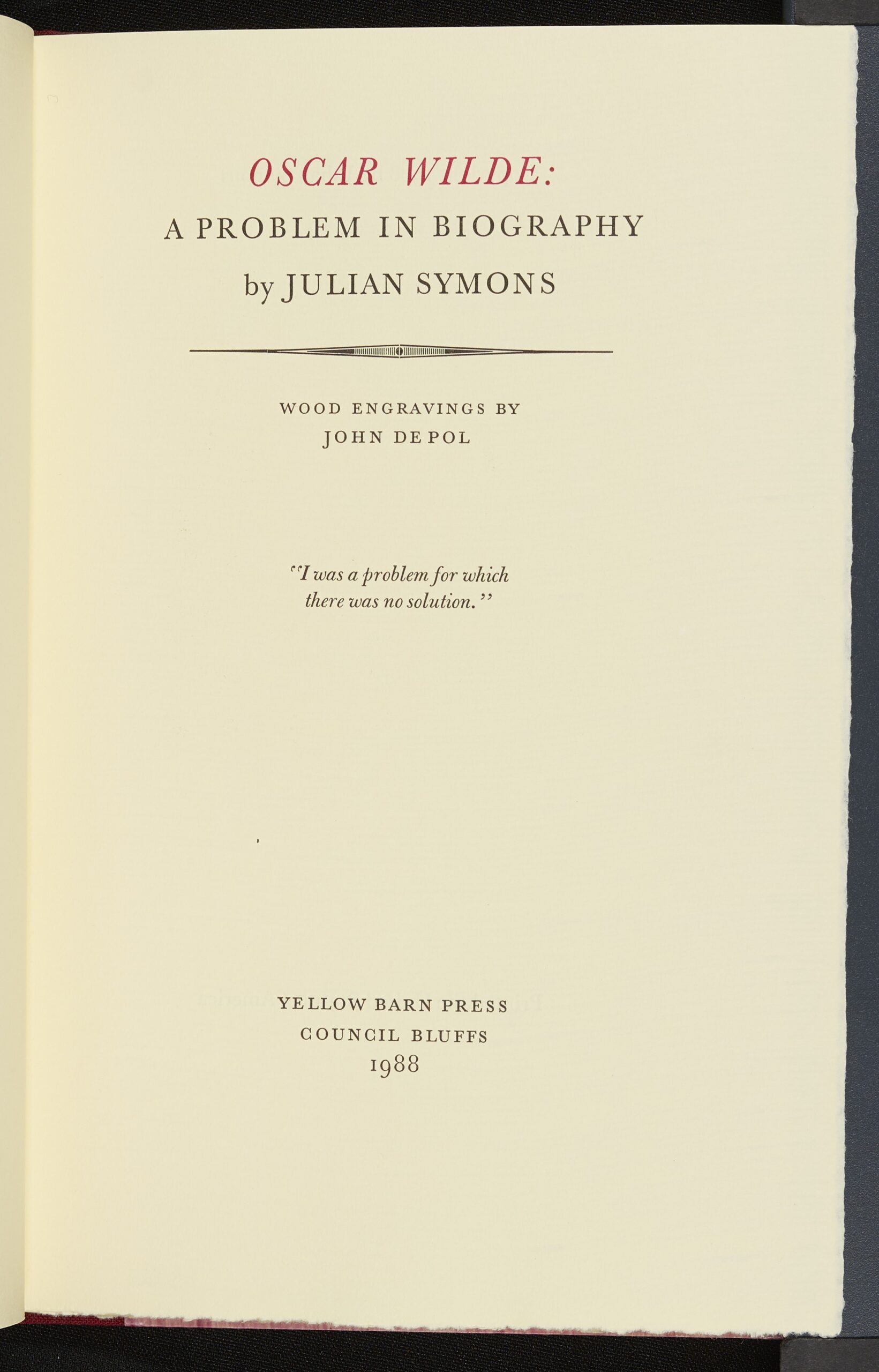
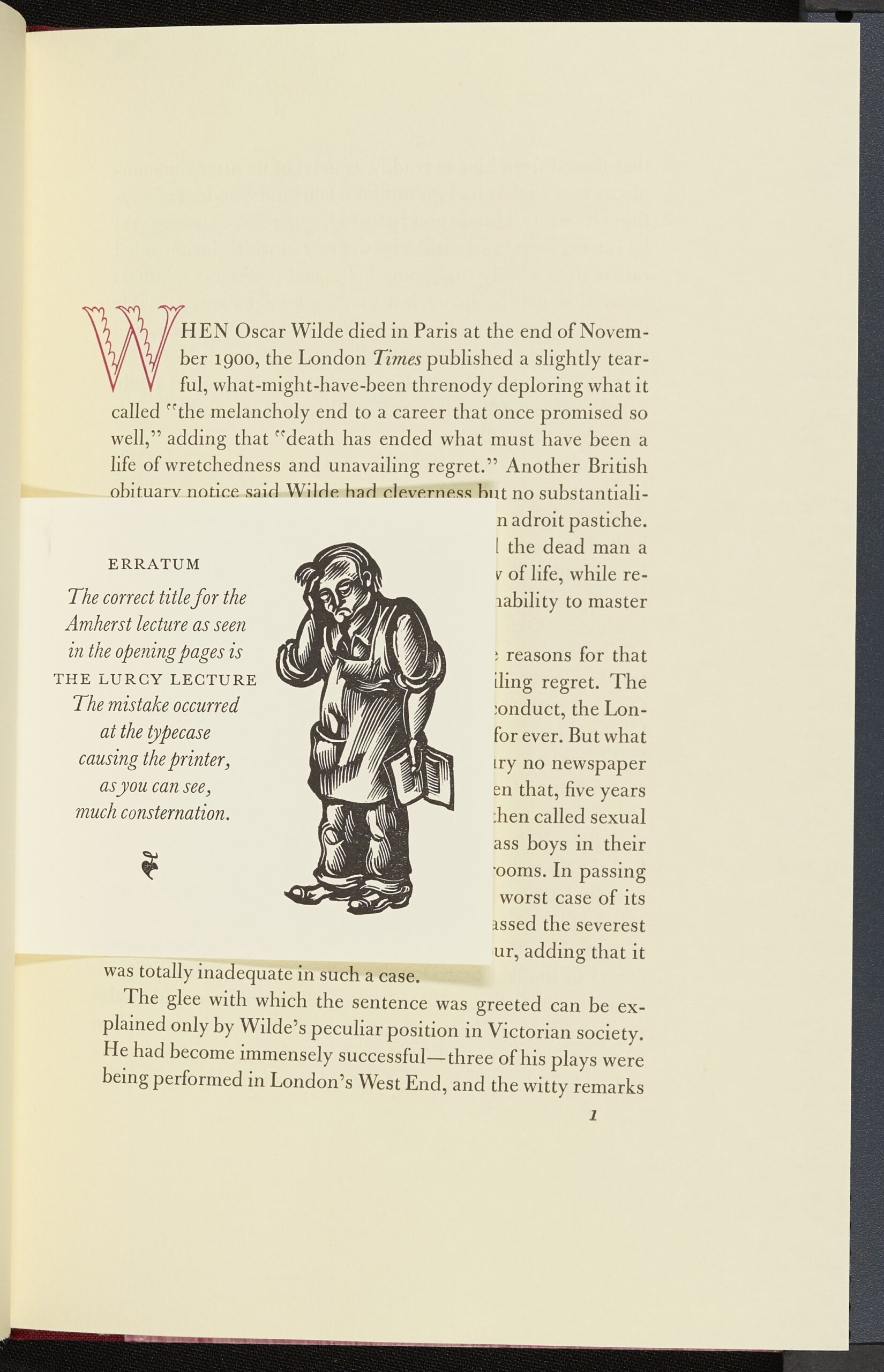
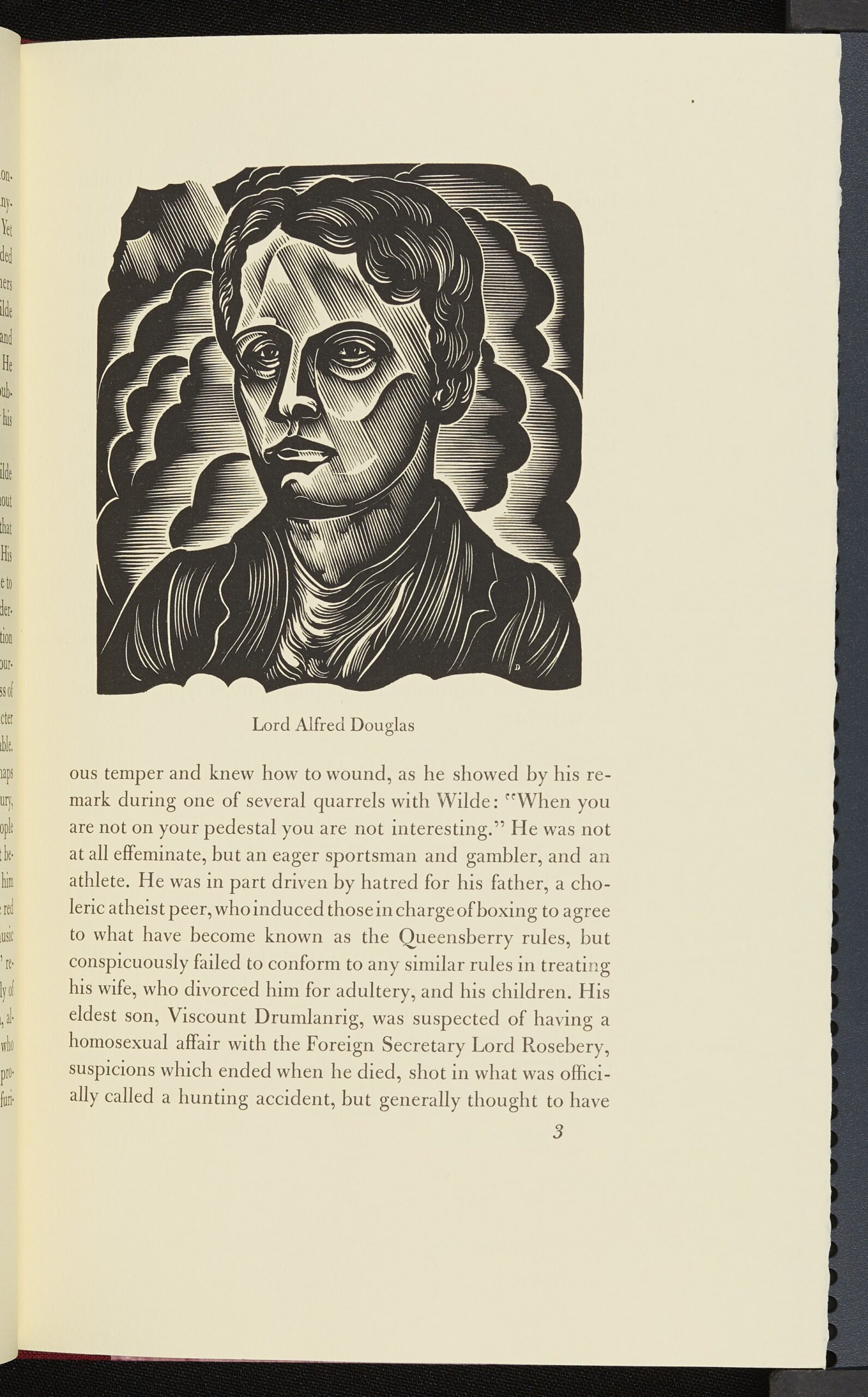
Bookish humour and a stylish binding
This private press edition of Julian Symons’s Wilde biography comes with a hidden surprise. Tucked inside its pages is a hand-printed apology for a printing error, complete with woodcut of an ashamed printer.
The paste paper binding is also worthy of note. This craft is similar to paper marbling: coloured starch paste is applied to the surface of the paper and drawn into patterns using combs and brushes. Having previously been popular in 18th century Germany, paste paper enjoyed a major revival in the Arts and Crafts era.
Magd.Wilde-O. SYM. Wilde, O. (1988). Oscar Wilde: A Problem in Biography. Council Bluffs, Iowa: Yellow Barn Press.
Purchased through the generosity of Justin Huscher (Rhodes Scholar 1978-1980) and Hilarie Huscher.
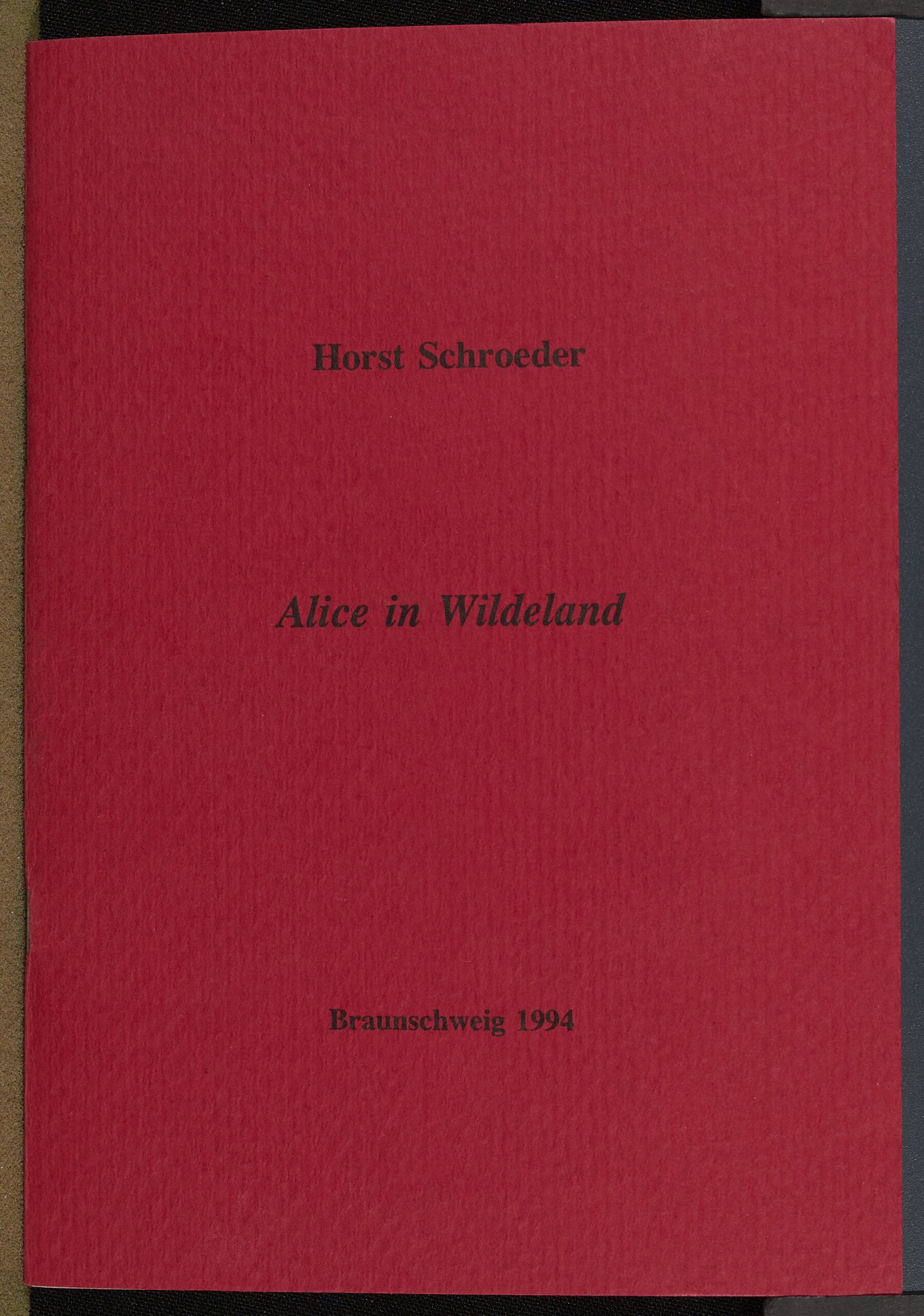
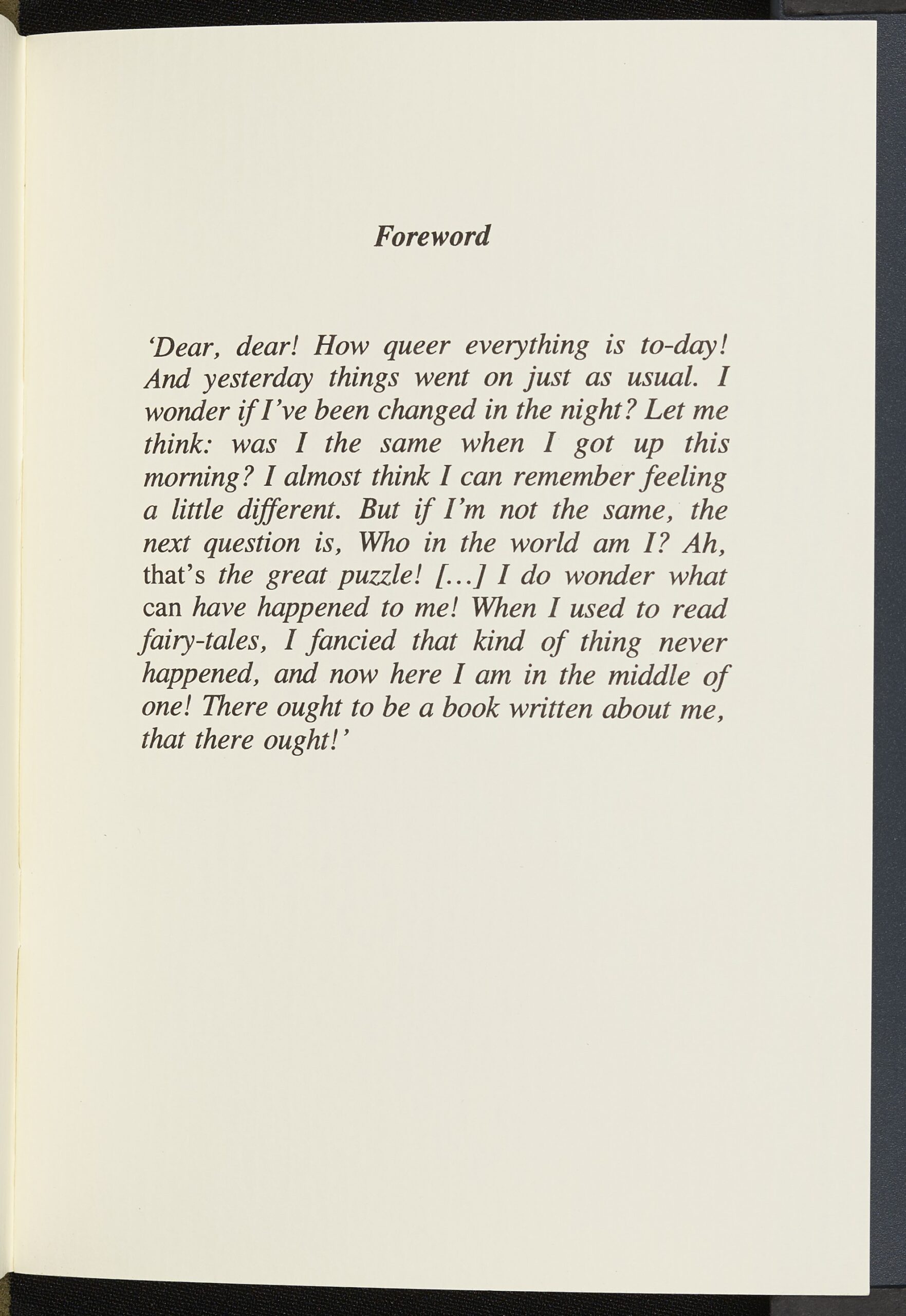
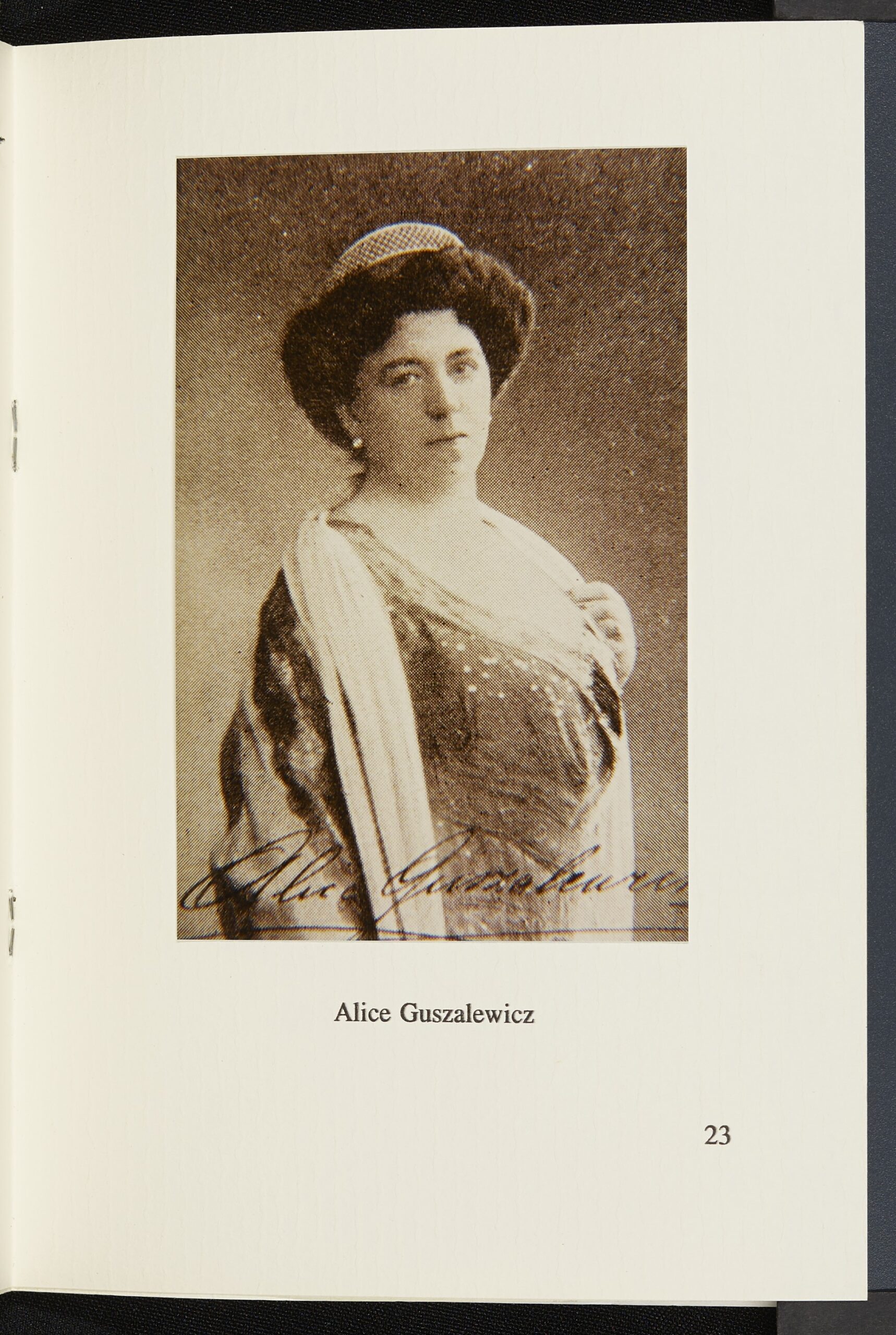
A tactile reading experience
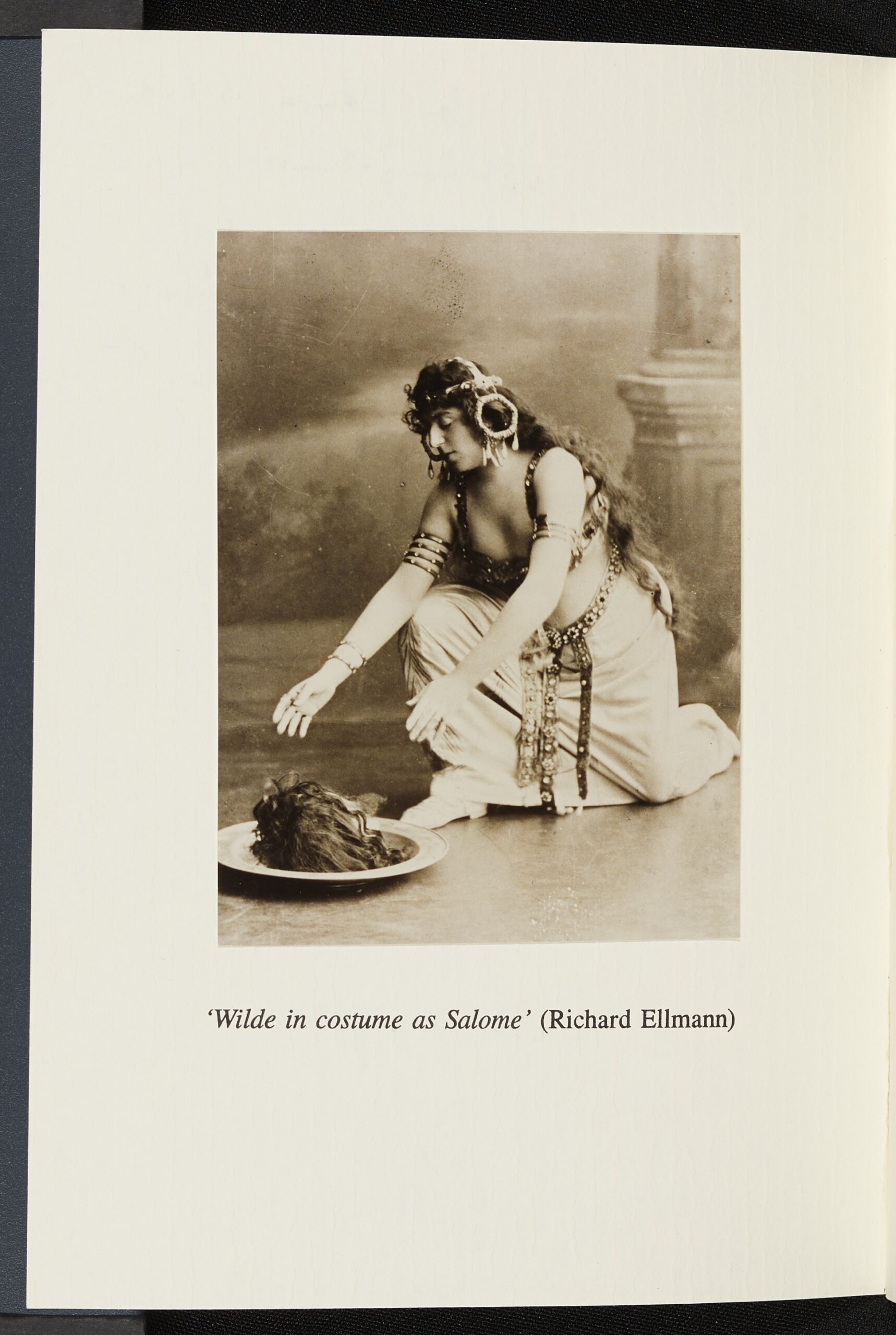
In this short account of Alice Guszalewicz’s performance as Salome, the sensory appeal of hand-crafted books comes to the fore. Heavy, textured paper and hand-pasted photographs create an “archival” feel, encouraging the reader to immerse themselves in theatrical history. A highlight is undoubtedly the image of “Salome” in full costume, though whether the actor here really is Wilde himself (as suggested in the caption), or Guszalewicz, is open to debate.
Magd.Wilde-O. SCH. Schroeder, H. (1994). Alice in Wildeland. Braunschweig: [Horst Schroeder].
Gift of the author, Horst Schroeder.
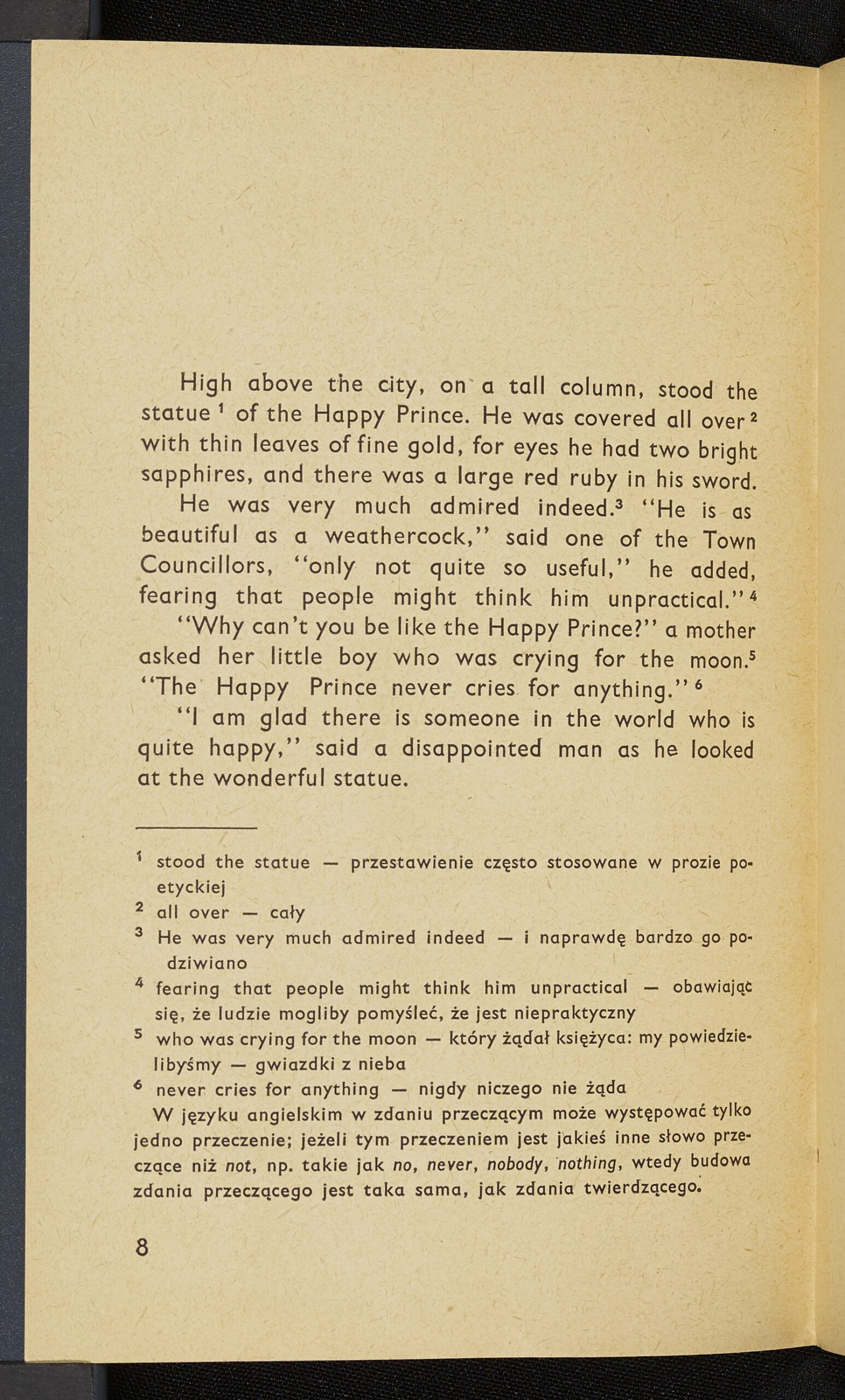
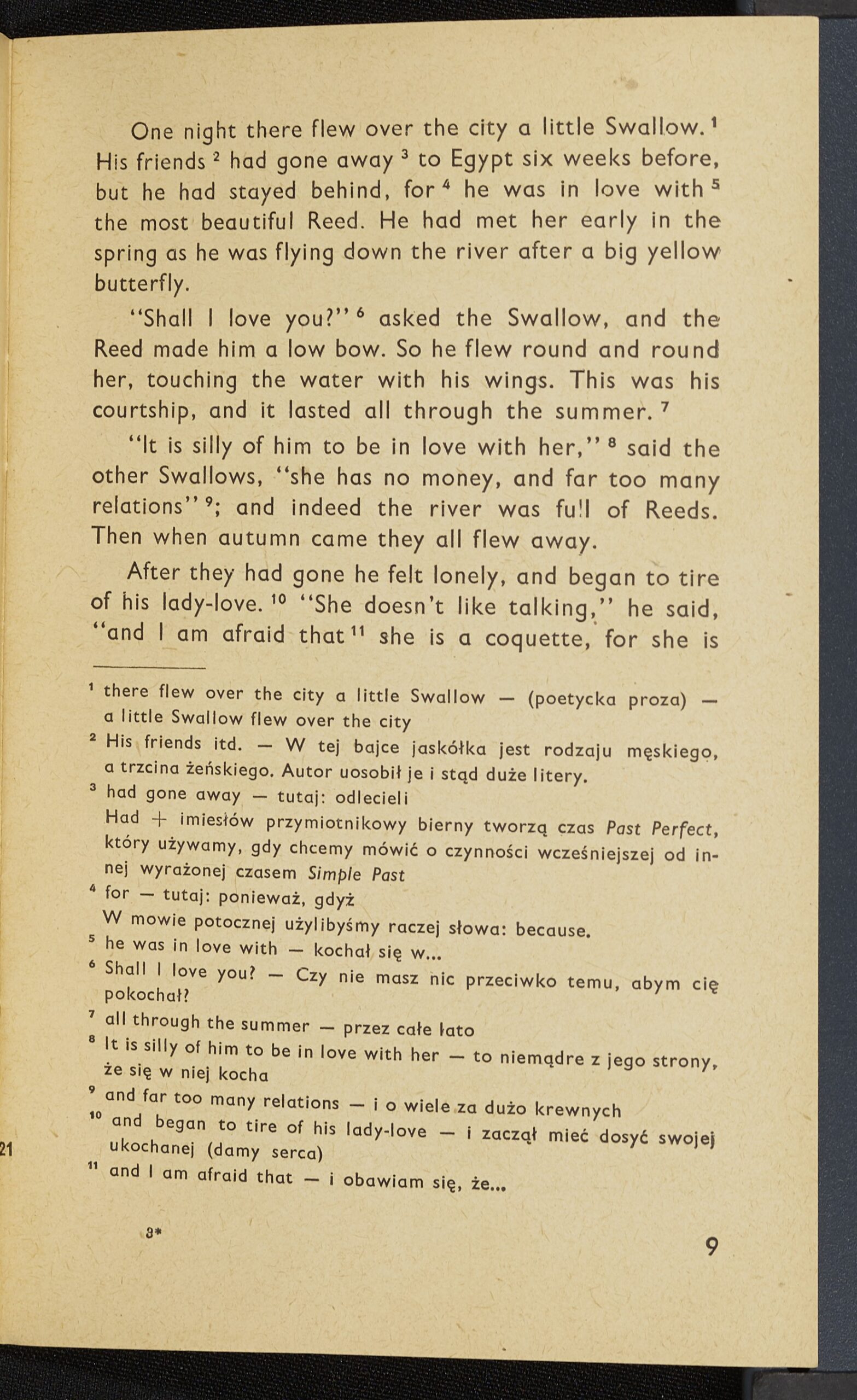
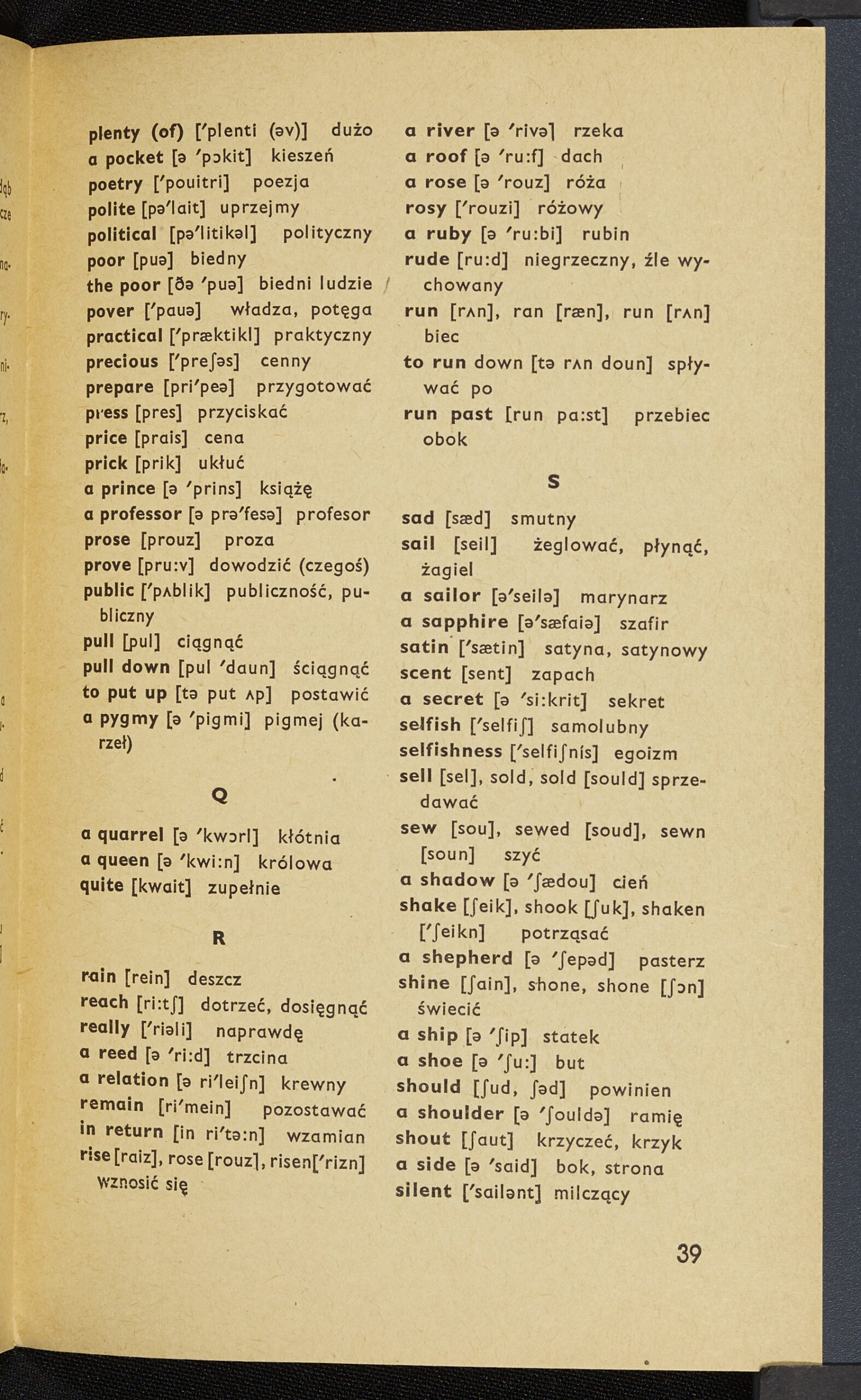
Almost private
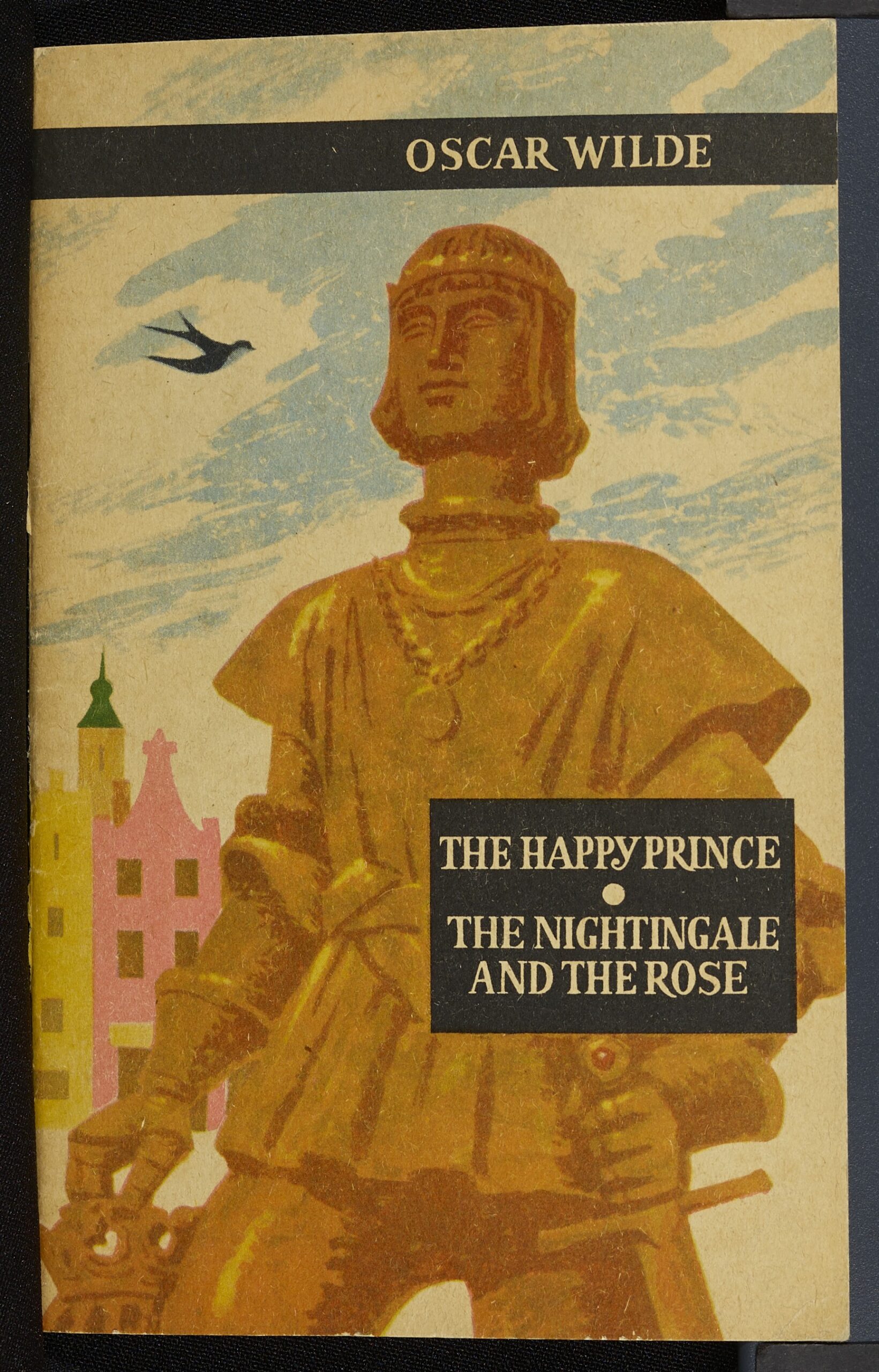
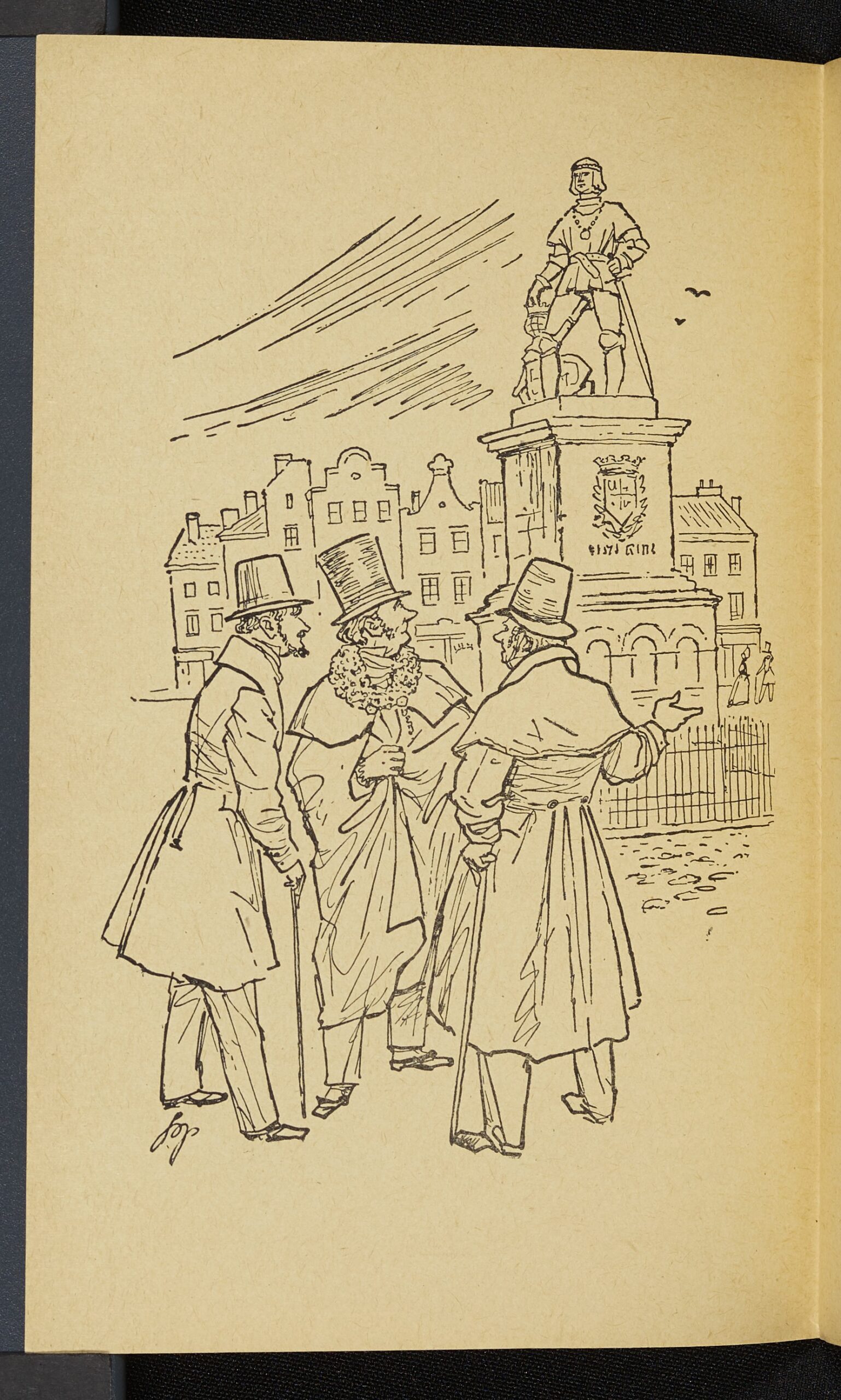
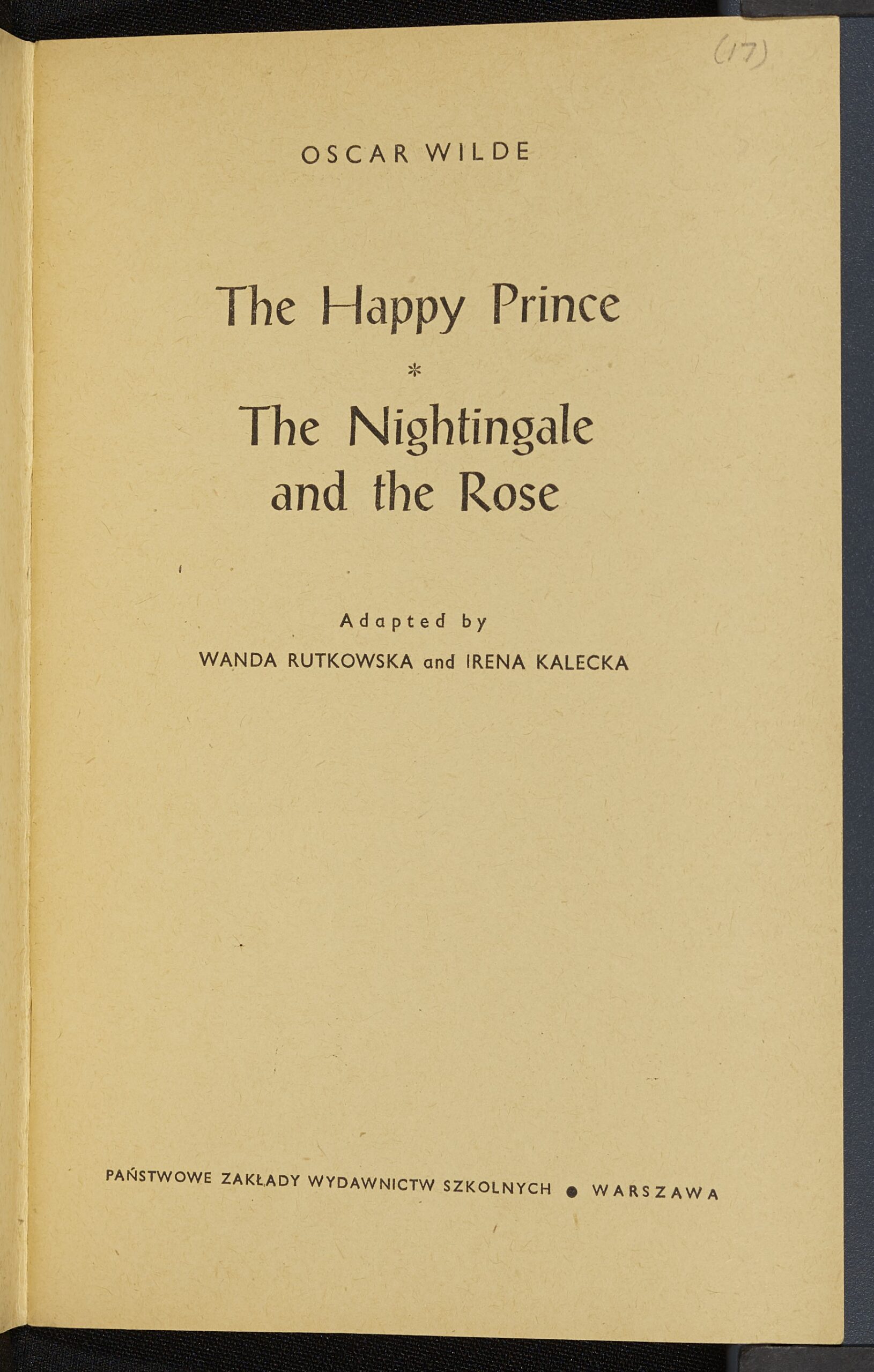
This book was created for Polish learners of English as a foreign language. Although the book was produced by a commercial press, it includes many features of private press books: it is decorated, had a small print-run, and was not produced for profit. It demonstrates how the boundaries can be blurred between private press and commercially printed books.
Ephemera: Box 4, Item 17. Wilde, O. (1971). The Happy Prince; The Nightingale and the Rose. Warsaw: Państwowe Zakłady Wydawnictw Szkolnych.
Purchased through the generosity of Justin Huscher (Rhodes Scholar 1978-1980) and Hilarie Huscher.
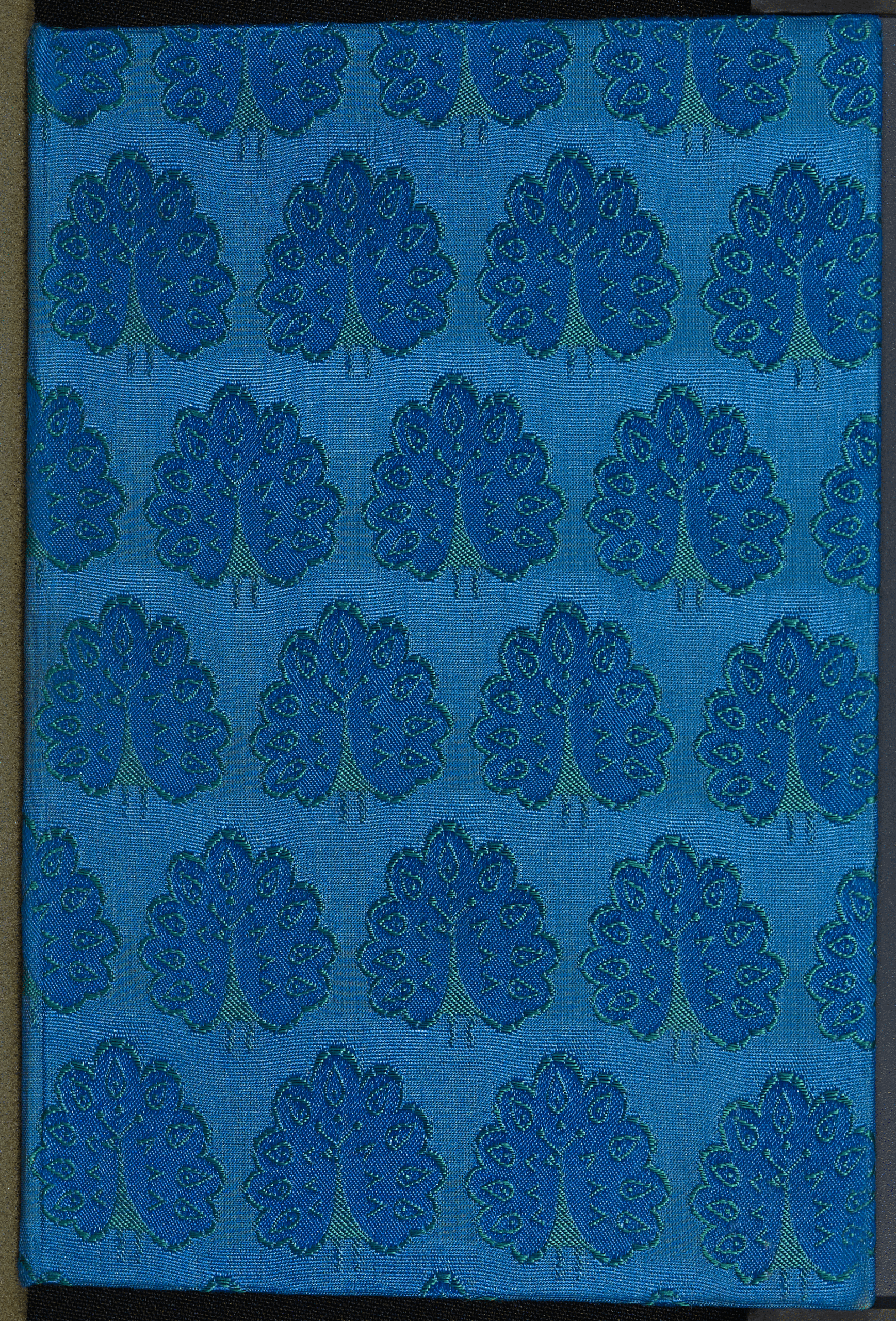
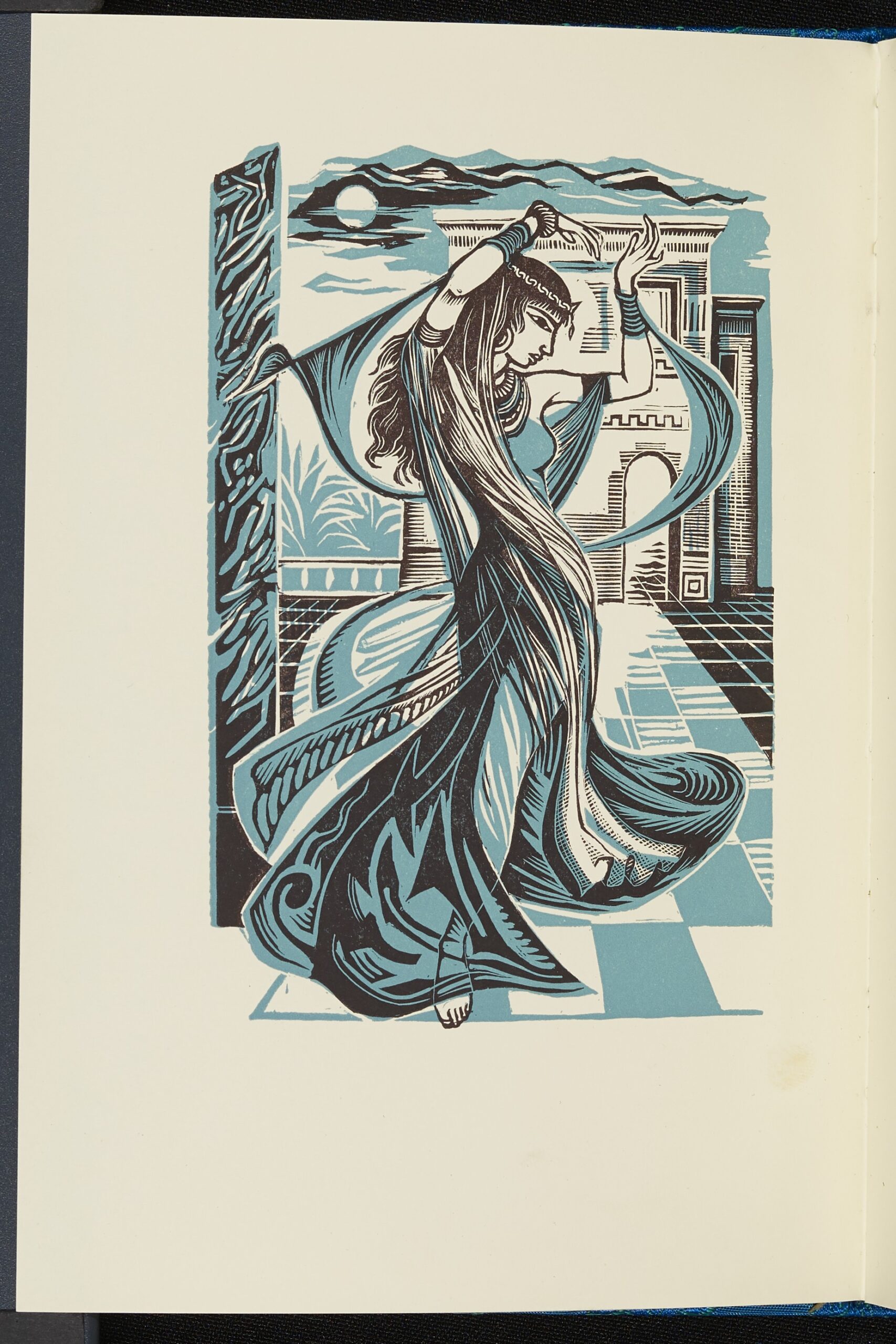
The Importance of Being Decorative
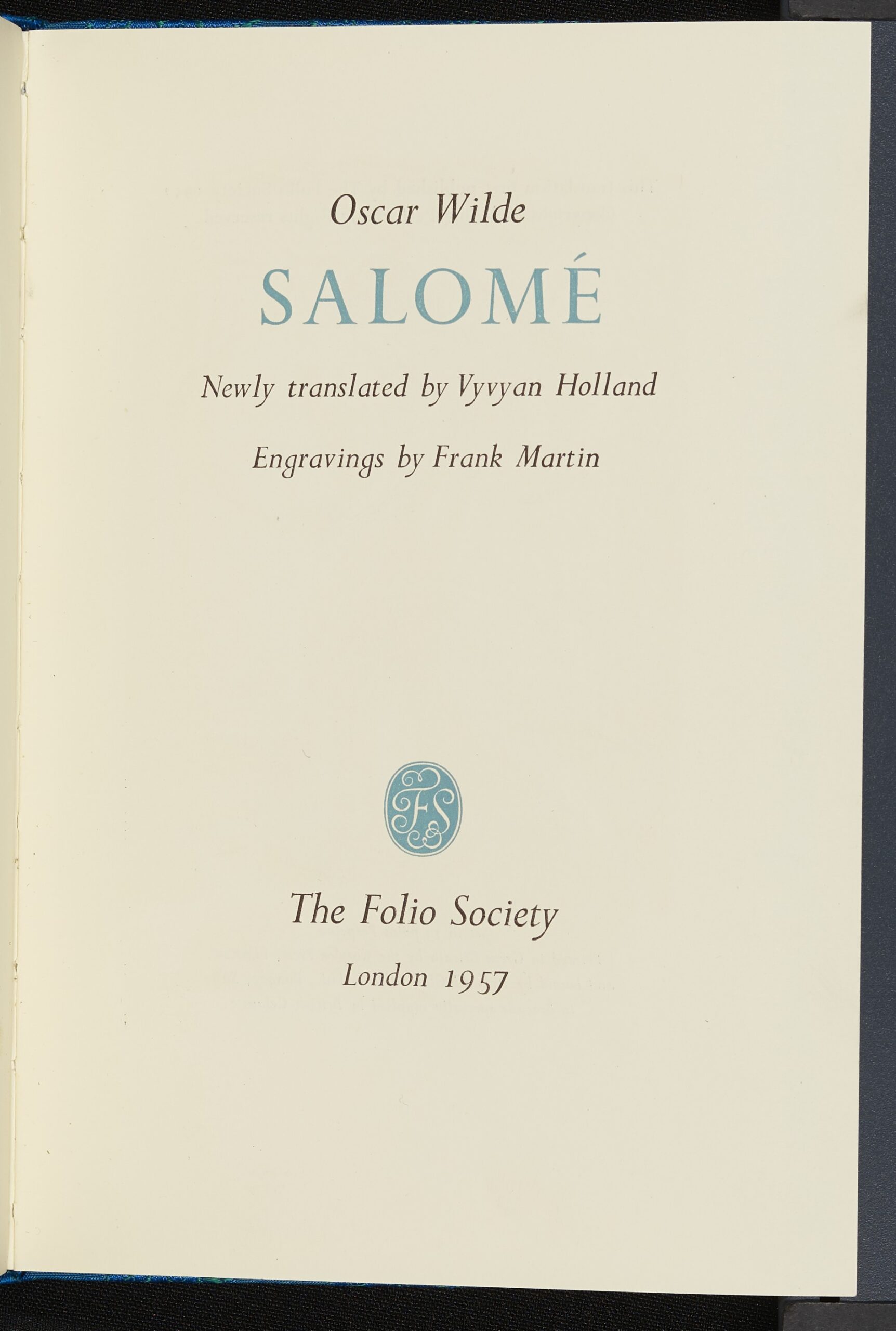
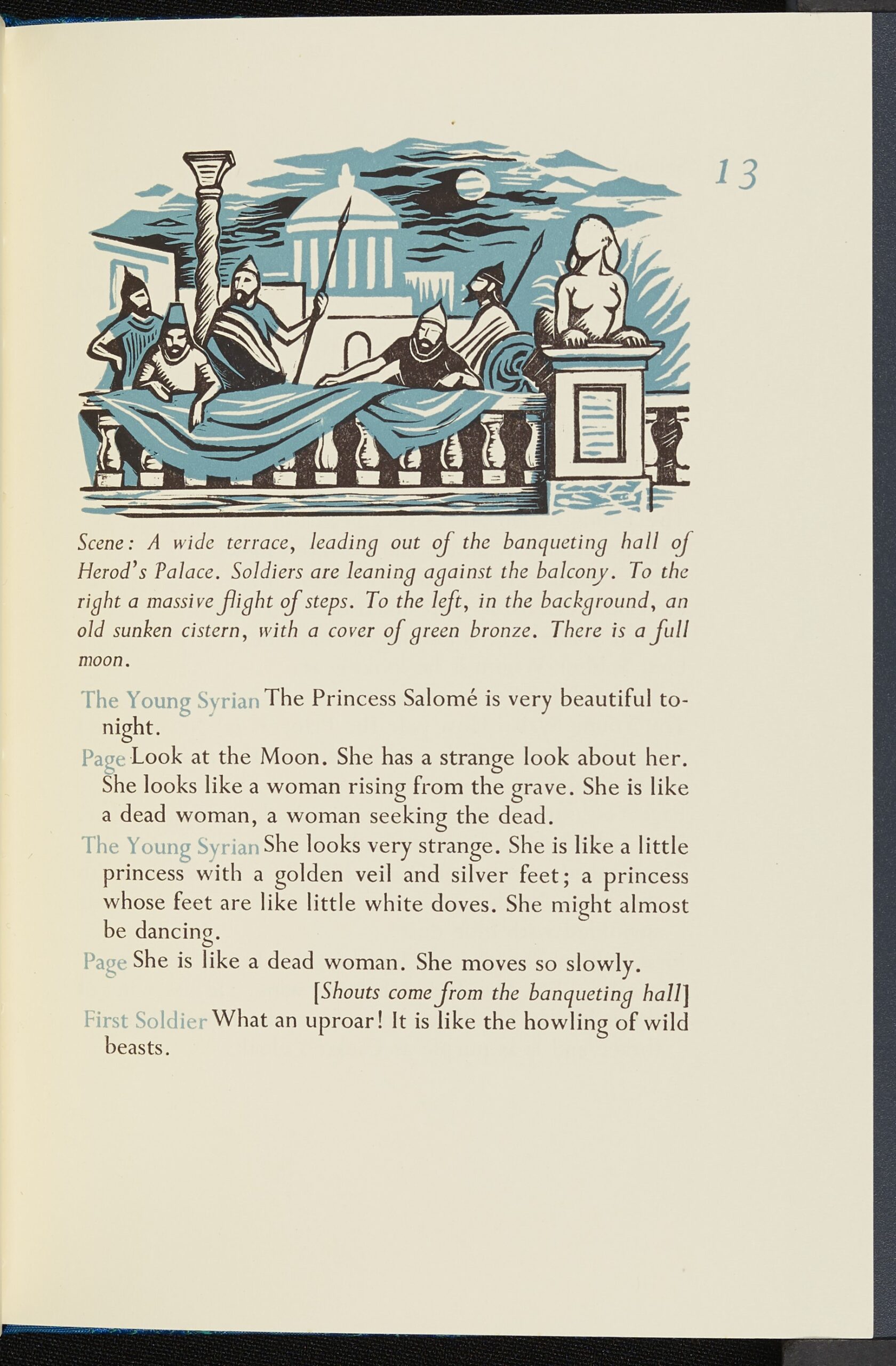
This book is bound in blue and green brocade silk featuring a peacock design. It is richly illustrated inside too, as can be seen here. At first glance, this seems characteristic of private press books. But the Curwen Press, who printed this book for The Folio Society, was a commercial company. The fact that they focused on high-quality and highly decorative work shows that such values were not limited to private presses, and can blur the line between private and commercial presses.
Magd.Wilde-O. (SAL) 1957. Wilde, O. and Holland, V. (tr.) (1957). Salomé. London: The Folio Society.
Purchased through the generosity of Justin Huscher (Rhodes Scholar 1978-1980) and Hilarie Huscher.
Versatility and craftsmanship
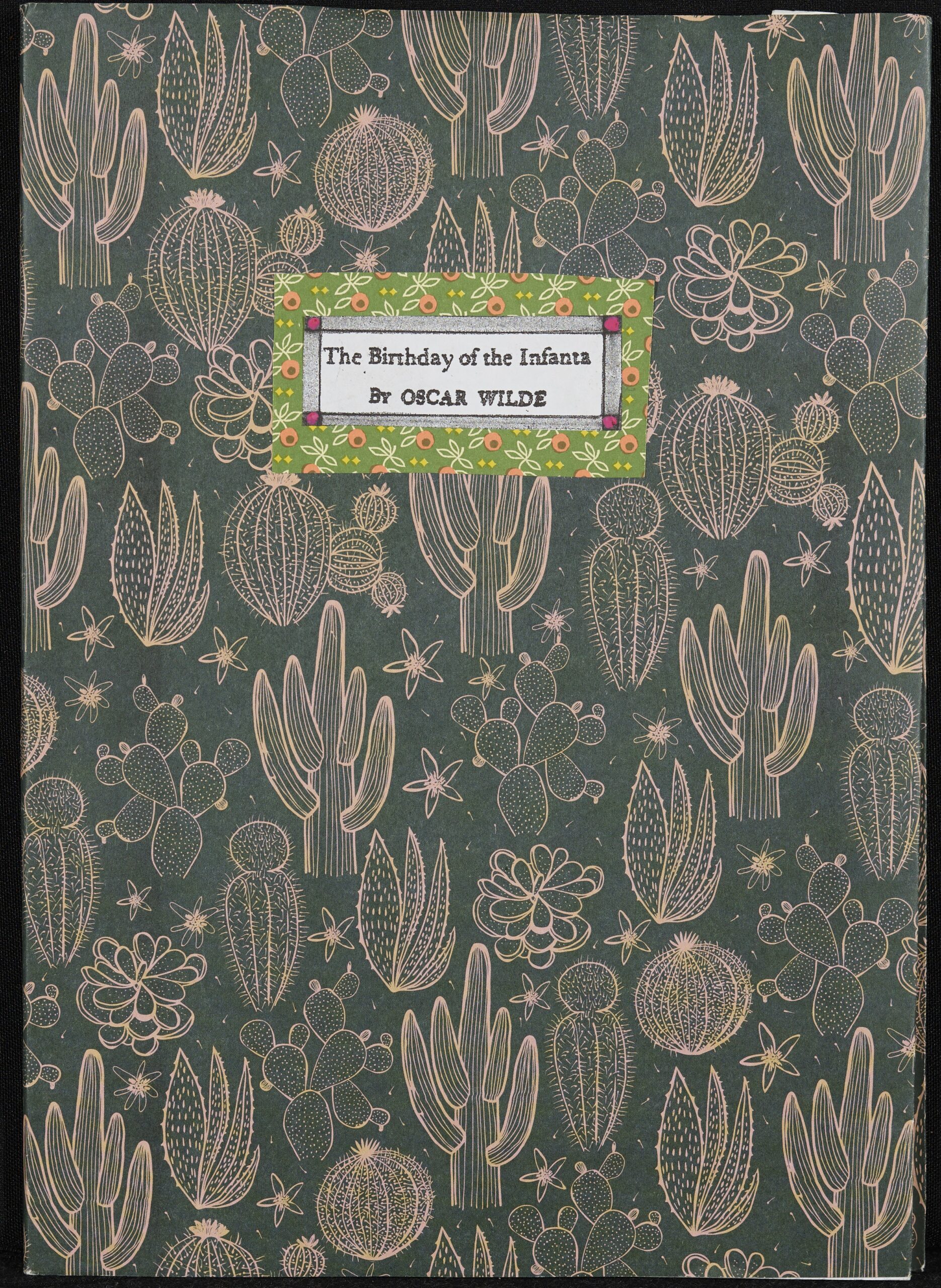
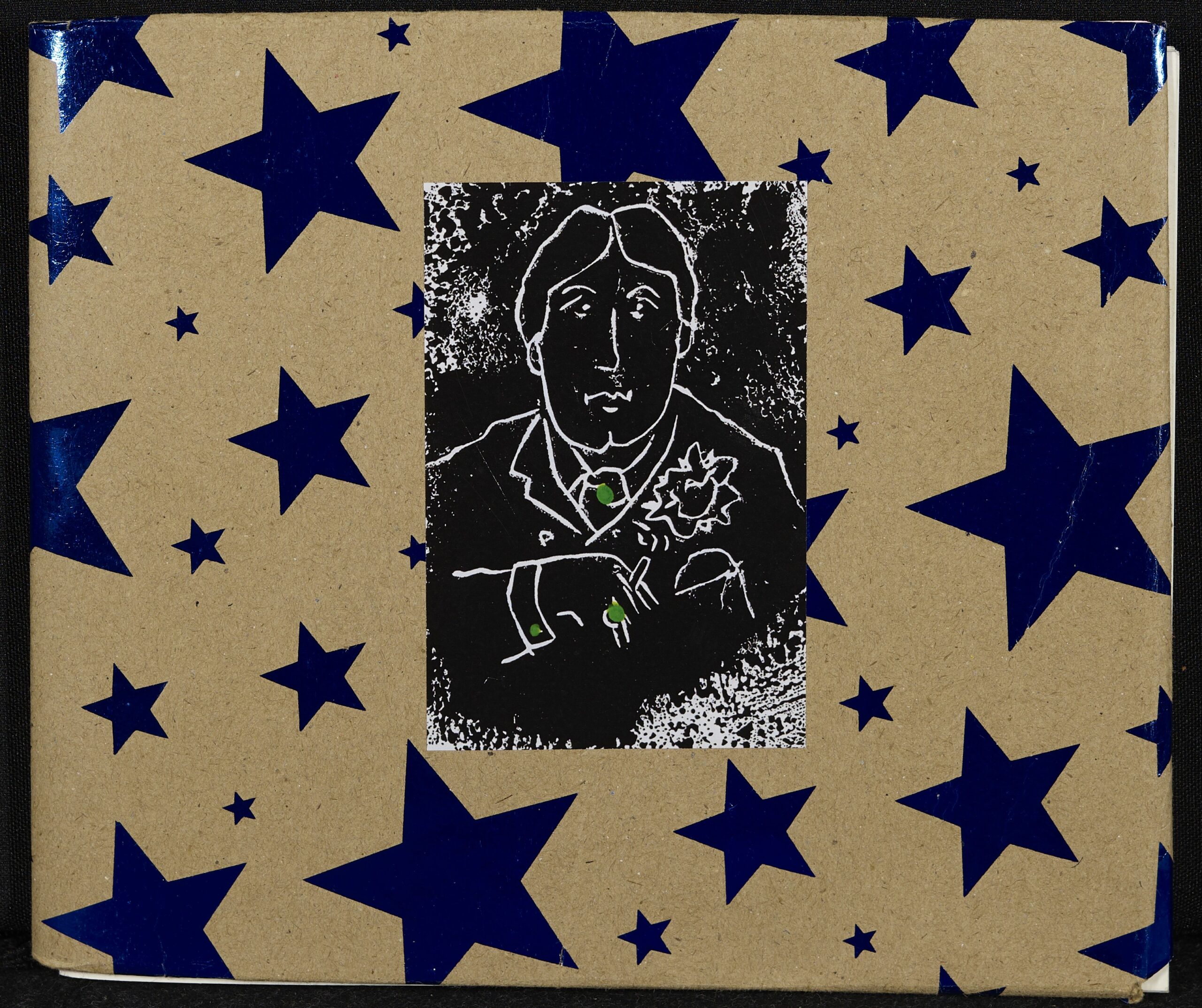
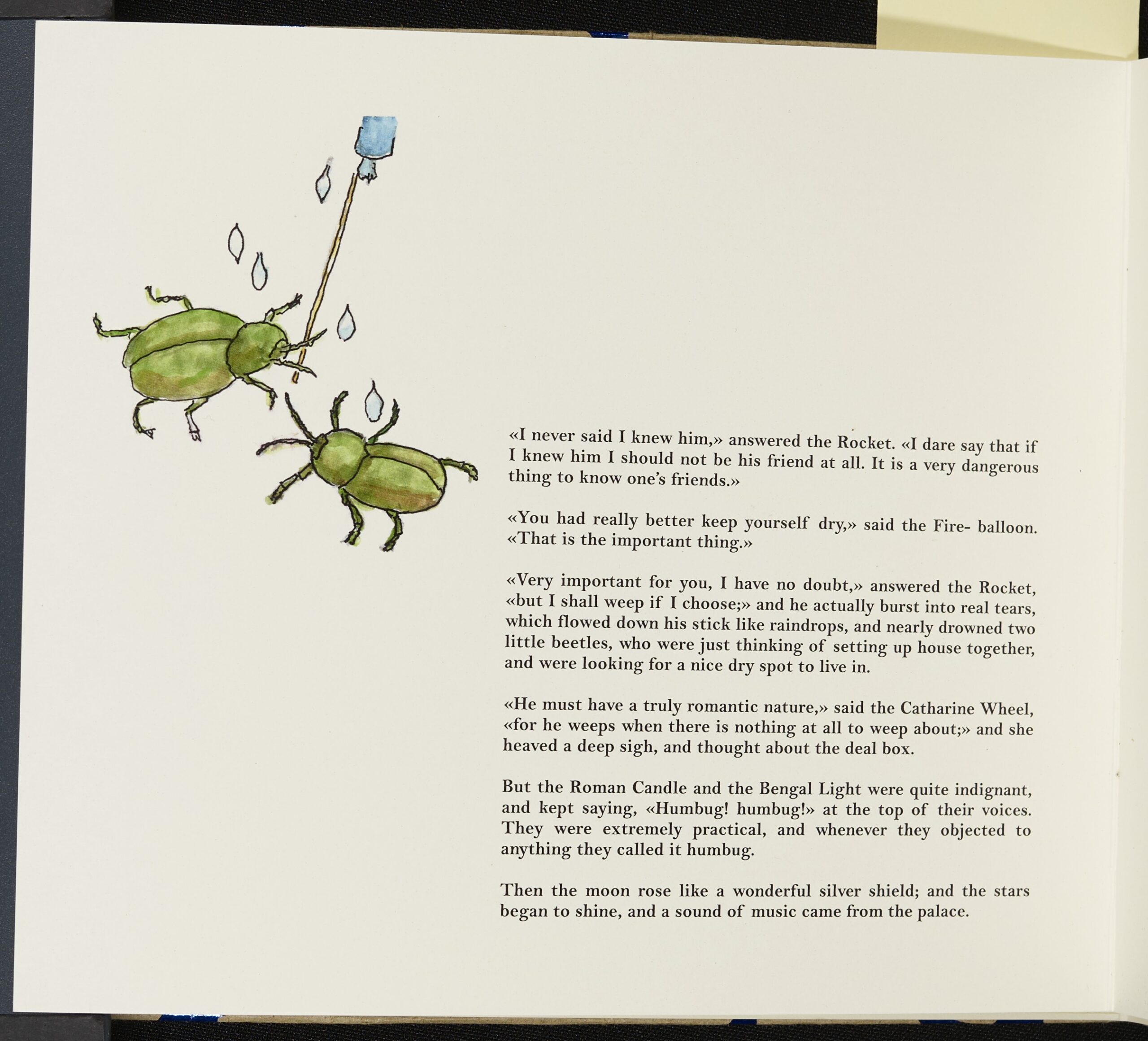
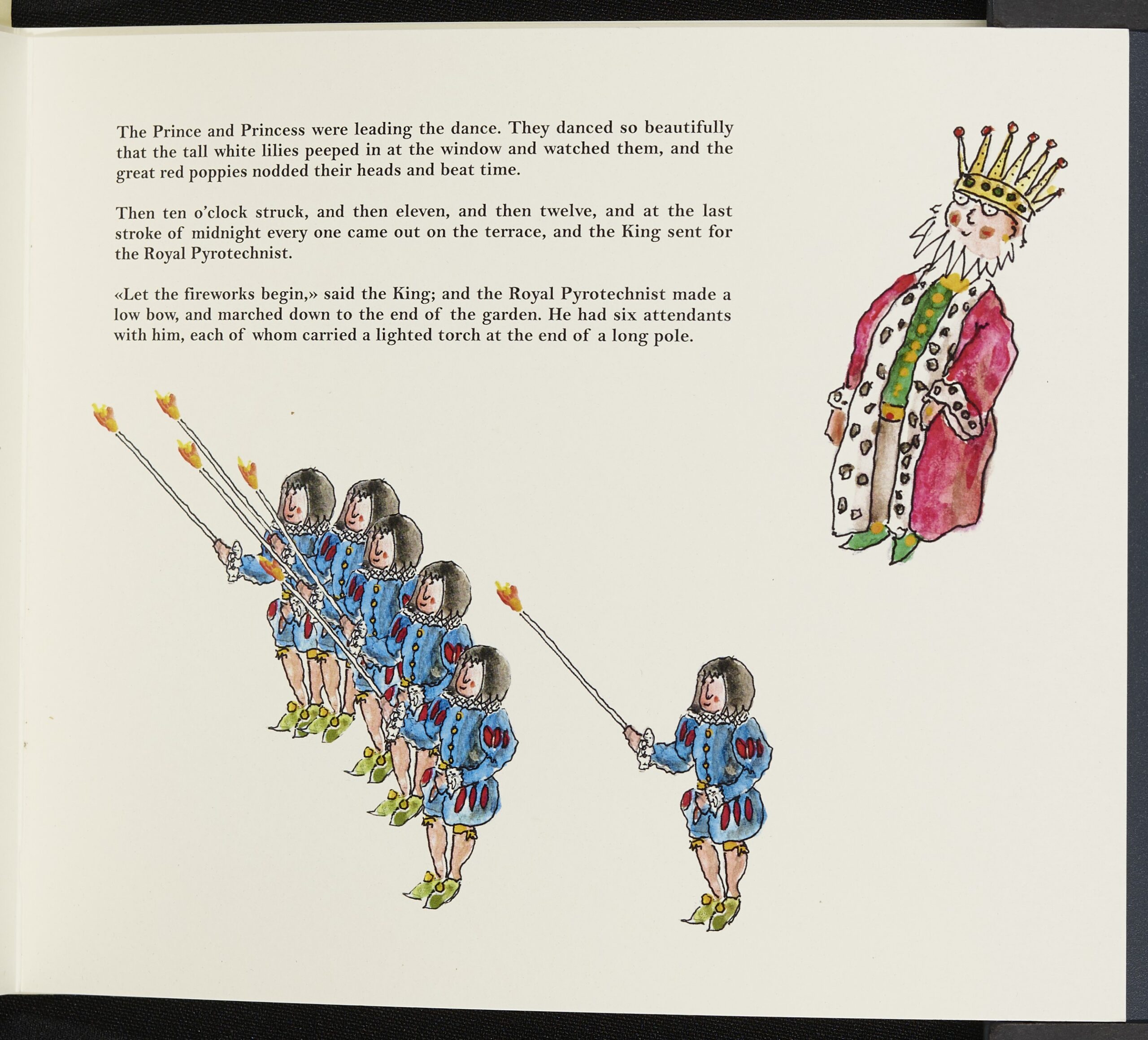
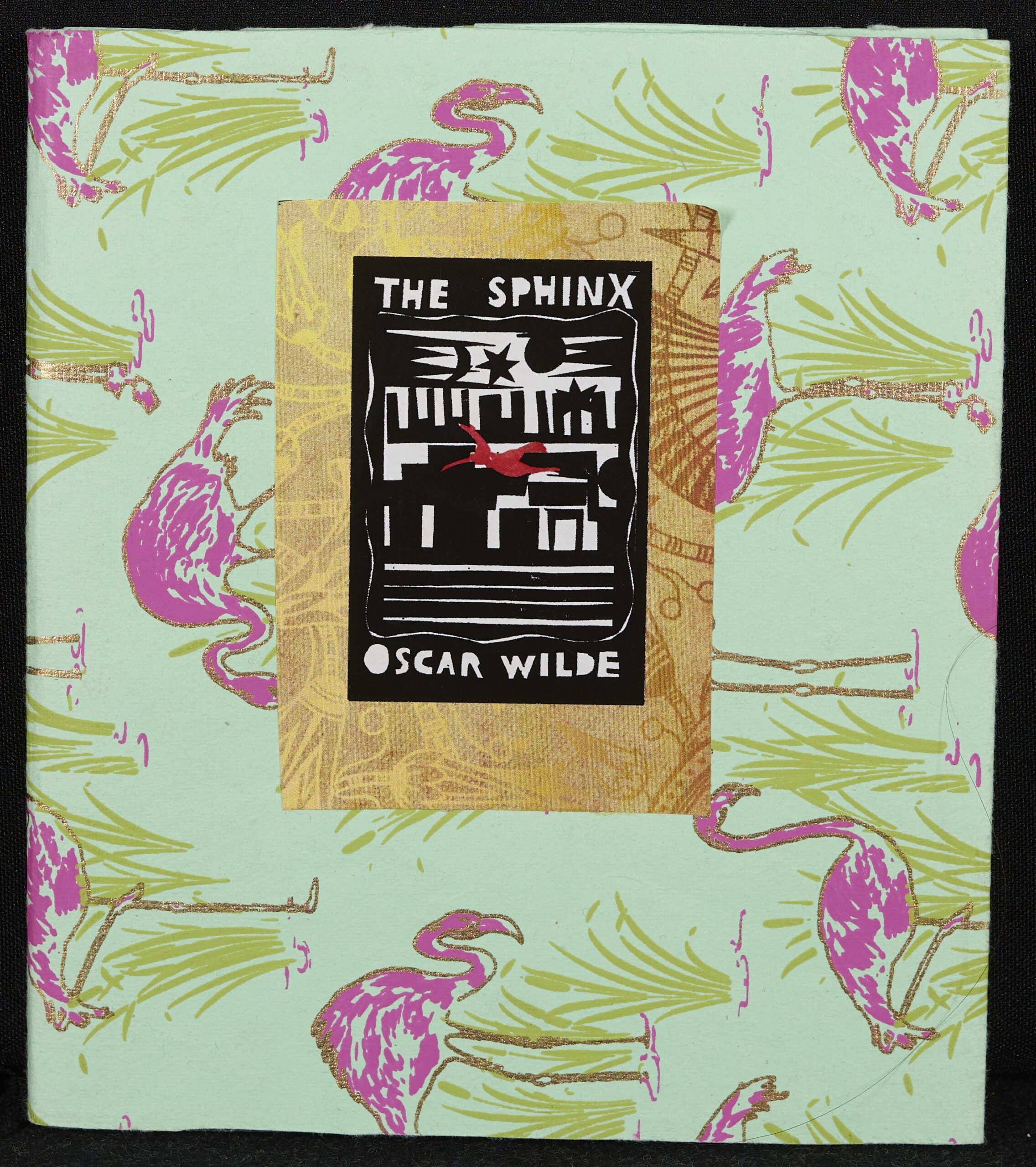
This is private printing at its most personal. London-based artist Jeremy Mason has illustrated, typeset, printed, bound and published these delightful editions of Wilde’s works single-handedly, then sent them to libraries of his choice. Note how bindings don’t have to be expensive: Mason has used gift-wrap and glue sticks to joyous effect.
Magd.Wilde-O. (SPH) 2016. Wilde, O. (2016). The Sphinx. London: Jeremy Mason.
Magd.Wilde-O. (BIR) 2017. Wilde, O. (2017). The Birthday of the Infanta. London: Jeremy Mason.
Magd.Wilde-O. (REM). Wilde, O. (2019). The Remarkable Rocket. London: Jeremy Mason.
Gifts of Jeremy Mason.